
How Compliance Management Works: Process, Benefits & Challenges
26/11/2025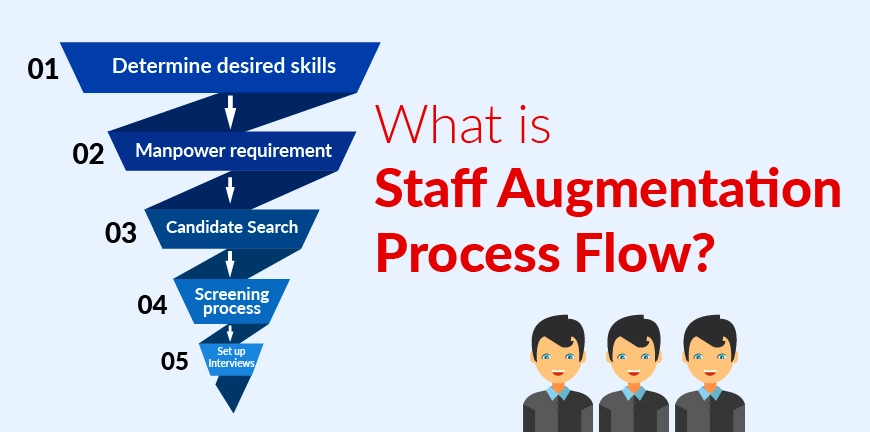
What is Staff Augmentation Process Flow?
28/11/2025
“I believe men and women should get equal pay for equal work.”- Satya Nadella (CEO, Microsoft)
Are GCCs in India taking DEI mandates seriously? How can GCCs improve DEI metrics in the workplace?
In today’s fast-evolving GCC landscape, building a truly inclusive workplace isn’t just a “good-to-have”: it’s becoming a differentiating factor. As GCCs shift toward high-value innovation & global ownership, diverse teams and equitable practices unlock stronger ideas, faster problem-solving, and deeper employee engagement. DEI helps GCCs attract exceptional talent, retain top performers, and build workplaces where everyone feels valued, heard, and empowered to contribute their best.
Let’s gather valuable insights on how to drive DEI within GCCs in a structured manner through this detailed discussion.
Why Has DEI Become a Strategic Priority for GCCs?
1. Access to Diverse Global Talent
DEI empowers GCCs to attract diverse talent across geographies, skills, & backgrounds. This strengthens innovation, improving cultural alignment with global teams, & enabling stronger capability building for global delivery operations.
According to Boston Consulting Group, GCC Companies with above-average diversity on their management teams reported 19% more revenue from innovation when compared to firms with subpar diversity.
2. Higher Innovation & Problem-Solving Ability
Diverse teams bring varied perspectives, helping GCCs accelerate innovation, reduce blind spots, & co-create better solutions for global markets. This boosts their reputation as strategic innovation hubs.
Inclusive GCC companies are 1.7x times more likely to be innovation leaders in their respective markets.
3. Improved Talent Retention & Engagement
Inclusive workplaces increase employee trust, psychological safety, and create a sense of belonging. This approach reduces attrition, enhances productivity, & helps GCCs build stable, future-ready teams in highly competitive talent markets.
Companies with strong DEI have employee retention rates that are 5.4 times higher than those of non-inclusive companies.
4. Stronger Collaboration with Global Stakeholders
DEI ensures teams collaborate seamlessly across cultures & regions. This builds stronger relationships with parent organizations, improves communication effectiveness, & strengthens GCC’s credibility in driving enterprise-wide initiatives.
When employees in GCCs strongly believe their company values diversity, engagement can be as high as 84%.
5. Compliance with Global Enterprise Standards
Most MNCs mandate DEI benchmarks and expect all departments to adhere without any compromise. GCCs follow these standards to ensure alignment, maintain governance maturity, & demonstrate commitment to ethical, equitable, & globally responsible business operations.
According to AIHR, companies that measure DEI metrics are statistically “2.1× more likely” to report that they “usually beat their competitors to market.”
Understanding the DEI Landscape in India’s GCC Ecosystem
In India’s rapidly evolving GCC ecosystem, Diversity, Equity & Inclusion (DEI) has moved from being a niche HR initiative to a strategic business enabler. GCCs are tapping into India’s vast linguistic, regional & socio-economic diversity to widen talent pools & foster creative outcomes.
However, there are still a lot of hurdles to overcome, such as leadership representation, equitable advancement for underrepresented groups, & inclusive infrastructure. Still, India’s GCCs are increasingly embedding DEI into governance frameworks, linking inclusion metrics with performance & global enterprise expectations. These developments are positioning India as a global exemplar of inclusive innovation.
What are the Key Pillars of a Strong DEI Strategy for GCCs?
Here are the 6 key pillars of a robust DEI strategy for emerging and established GCCs:
1. Inclusive Leadership Commitment
Leaders must espouse DEI, model inclusive behaviours, allocate resources, & embed diversity goals into business DNA and strategies. This will influence culture, accountability, & long-term organisation-wide transformation.
Example: A global tech GCC in Bangalore launched a DEI Leadership Council chaired by the India Site Head. He will review diversity dashboards monthly & tie 10% of leadership bonuses to inclusion goals.
2. Diverse Talent Acquisition
Recruitment processes should prioritise diverse talent pools, unbiased screening, & equal opportunities. Moreover, structured interviews, diverse hiring panels, & targeted outreach help strengthen representation across roles & leadership levels.
Example: A top-tier US retail company running GCC operations in Hyderabad deployed AI-based blind CV screening & partnered with women-in-tech communities, thereby boosting female hiring in engineering roles by 28% within one financial year.
3. Equitable Career Growth & Mobility
GCCs must build unbiased promotion frameworks, transparent performance evaluations, mentorship programs, & leadership development pathways. This approach makes sure equal access to growth opportunities for all employee groups.
Example: A financial services GCC in Pune deployed a transparent skills-based promotion framework & introduced sponsorship programs for high-potential women, doubling women’s representation in mid-management roles over 2 performance cycles.
4. Inclusive Workplace Culture
Creating psychological safety, fostering respect, enabling employee resource groups (ERGs), & encouraging open conversations build workplaces where employees feel valued, heard, & empowered to contribute fully.
Example: An enterprise SaaS GCC in Chennai had launched ERGs for women, LGBTQ+ individuals, & persons with disabilities. This encouraged open conversations & inclusive events, resulting in a 14% boost in belonging scores in yearly surveys.
5. Bias-Free Policies & Practices
Deploying unbiased compensation, flexible working models, accessibility standards, & grievance mechanisms ensures fairness, prevents discrimination, & supports equitable employee experience across diverse workforce needs.
Example: A global semiconductor GCC in Noida revised its parental leave policy to be gender-neutral & introduced disability-friendly infrastructure upgrades. This policy change significantly improved accessibility ratings in internal compliance audits.
6. Continuous DEI Measurement & Governance
Regularly tracking DEI metrics, running audits, linking DEI outcomes to leadership KPIs, & publishing progress reports help sustain accountability, governance maturity, & global compliance alignment.
How to Build Inclusive Workplace Cultures That Empower All Employees?
Here are 6 steps that can help GCCs build an inclusive work culture that will empower the entire workforce:
1. Establish Clear DEI Values & Leadership Commitment
Define strong DEI principles, ensure leadership endorsement, & communicate expectations every now and then. When employees see leaders modelling inclusive behaviour, it builds trust & reinforces a sense of belonging.
2. Implement Bias-Free Hiring, Evaluation, and Growth Systems
Standardize JDs, interview panels, & performance reviews to remove all sorts of biases. Also, bring in structured assessments, skills-driven criteria, & transparent promotion pathways to reiterate fairness & equal opportunity for everyone.
3. Create Safe Spaces for Open Dialogue and Feedback
Encourage employees to voice concerns without being curbed via forums, town halls, anonymous channels, & ERGs. Also, actively responding to feedback strengthens psychological safety & nurtures a healthy inclusion culture.
4. Invest in Diversity Training and Inclusive Leadership Programs
Provide continuous training on cultural awareness, allyship, & inclusive behaviours. Additionally, equip managers with tools to become empathetic, unbiased leaders who can build trust, collaboration, & equitable team environments.
5. Build Policies That Support Diverse Workforce Needs
Adopt flexible work policies, accessibility measures, wellness initiatives, & parental benefits. Tailored support systems ensure employees across genders, backgrounds, & abilities feel valued & empowered to perform at their best.
6. Celebrate Diversity Through Engagement and Recognition Initiatives
Host cultural events, recognition programs, & awareness campaigns that honour employee diversity. Celebrating unique identities promotes unity, boosts morale, & builds a workplace culture where all employees feel seen & appreciated.
What is the Role of GCC Managers and Leaders in Driving DEI at Scale?
Here are 5 ways GCC managers and leaders can drive DEI at scale:
1. Model Inclusive Behaviours Daily
Leaders & managers must showcase empathy, fairness, & active listening. Their behaviour sets the tone for teams, shaping a culture where respect, equity, & psychological safety become everyday norms.
2. Embed DEI in All People Decisions
Incorporate DEI principles into hiring, promotions, performance reviews, & team design. Moreover, leaders must ensure every decision made is transparent, unbiased, focused on skills, potential, & fair opportunities.
3. Hold Teams Accountable Through DEI Metrics
Integrate DEI goals into managerial KPIs, track representation, review sentiment data, & ensure teams actively contribute to inclusion. Also, accountability ensures sustained DEI impact across the organisation.
4. Enable Employee Voice and Safe Conversations
Create spaces for honest dialogue, encourage feedback, support ERGs, & protect employees from strong retaliation. Moreover, leaders must listen, respond, & act on concerns appropriately to strengthen inclusion at scale.
5. Invest in Continuous Learning and DEI Capability Building
Support regular DEI training, inclusive leadership coaching, & awareness programs. By upgrading their own capabilities, leaders will be able to inspire teams to embrace diversity & drive organisation-wide cultural transformation.
How to Measure DEI Success in GCCs Through Data & Transparency?
Here are 5 ways to measure DEI Success in GCCs via Data & Transparency
1. Track Workforce Representation Across Levels
Monitor gender, diversity, & inclusion ratios across roles, functions, and leadership tiers. Additionally, regular reporting reveals progress, highlights gaps, & ensures representation aligns with DEI goals and industry benchmarks.
2. Analyse Employee Sentiment Through Surveys & Listening Tools
Use employee engagement surveys, pulse checks, & anonymous feedback channels to assess belonging, fairness, & psychological safety. Combining qualitative & quantitative insights shows how employees truly experience inclusion.
3. Evaluate Hiring, Promotion & Attrition Trends
Review recruitment pipelines, internal mobility patterns, & turnover rates for diverse groups. Data helps identify biases, strengthen equitable growth opportunities, & measure DEI impact over time.
4. Use DEI Scorecards & Dashboards for Transparency
Create visual dashboards that display KPIs like representation, pay equity, & inclusion metrics. Sharing data openly builds trust, drives accountability, & enables leadership to make informed DEI decisions.
5. Assess Inclusion Outcomes Through Team Performance Indicators
Measure collaboration, innovation output, psychological safety scores, & team productivity. Moreover, improved team outcomes indicate that inclusion practices are working & contributing to stronger business performance.
How can Alp Consulting help with DEI Initiatives for GCCs?
ALP Consulting, a leading GCC solutions provider, helps established and emerging global capability centres to build inclusive, future-ready workplaces via structured DEI strategy, data-driven workforce insights, & unbiased hiring practices. We support GCCs with diversity-focused talent sourcing, policy design, leadership enablement, & organisation-wide sensitisation programs.
Our experts deploy DEI frameworks that are perfectly in sync with global standards, ensuring equitable opportunities, transparent processes, & a strong culture of belonging. With scalable and tailored solutions, ALP helps GCCs achieve measurable, long-term DEI impact across teams & functions.
Key Takeaways
- DEI strengthens innovation, talent retention, and global collaboration, making it a strategic priority for GCCs.
- Inclusive leadership, equitable policies, & bias-free practices are essential pillars of strong GCC DEI frameworks.
- Creating psychological safety, ERGs, & transparent communication helps build empowering, inclusive workplace cultures.
- Leaders drive DEI at scale by modelling inclusion, enabling voices, & enforcing measurable accountability.
- Data-driven DEI metrics, dashboards, & performance insights ensure transparency, continuous improvement, and global alignment.
FAQs
1. How can GCCs address unconscious bias across hiring and promotion processes?
Use structured interviews, skills-based assessments, diverse panels, bias training, & data-driven evaluations to ensure fairness & minimise subjective decision-making.
2. What DEI policies should GCCs standardize across global and Indian teams?
Standardize inclusive hiring, anti-discrimination rules, pay equity, accessibility norms, grievance mechanisms, & fair promotion practices to maintain a consistent global DEI culture.
3. How can DEI initiatives be sustained during rapid GCC scaling?
Embed DEI in processes, automate tracking, train managers, set clear accountability, & integrate inclusion checkpoints into hiring, onboarding, & team expansion.
4. What role do employee resource groups (ERGs) play in strengthening DEI?
ERGs amplify employee voice, foster belonging, support leadership insights, drive awareness programs, & help influence inclusive policies and cultural improvements.
5. How can GCCs benchmark their DEI performance against industry standards?
Compare metrics like representation, pay equity, sentiment scores, & leadership diversity with industry benchmarks, global guidelines, & peer GCC best practices.
Contact Us For Business Enquiry

Kishore V N
Kishore V N is the Managing Director at ALP Consulting, bringing over 29 years of extensive experience in global recruitment, talent strategy, and workforce solutions. He has been instrumental in building scalable RPO, MSP, and modular talent sourcing models that empower organizations with a competitive edge in talent acquisition. Kishore’s leadership focuses on expanding ALP’s global presence, driving innovation in recruitment technology, and enhancing operational excellence. He also serves as Director at Datacore Technologies, steering digital HR transformation through advanced HRMS and virtual staffing solutions.