
Top 10 Benefits of Social Media on Talent Acquisition
13/05/2025
What is Employee Referral? Definition, Benefits and Tips
15/05/2025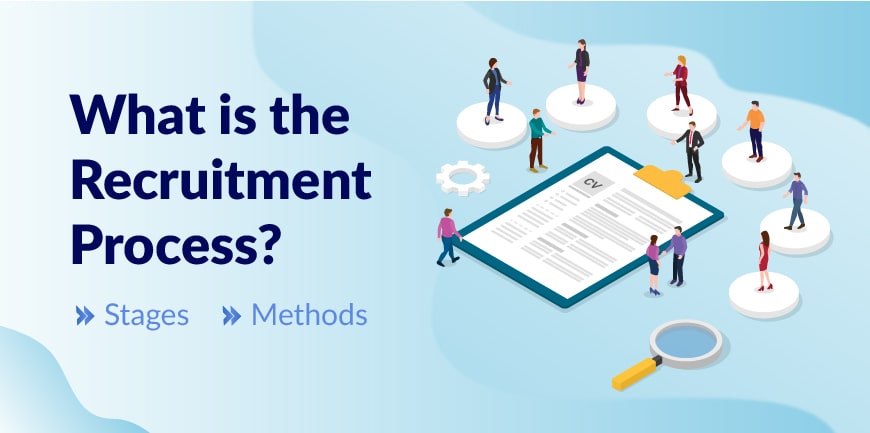
The Indian job market growth is all-time high with nearly 17.9 crore new jobs added in the last decade. However, one of the main reasons for such an exponential hiring rate is that most companies have implemented a robust recruitment process consisting of expert HR professionals and cutting-edge technology to provide a seamless hiring experience for candidates and bring top talent onboard to board. You might be curious about how the recruitment process works and why it is a vital cog in a company’s growth cycle. Without further delay, let’s find out!
A well-planned recruitment process is more than just an HR task—it has a direct impact on hiring managers and their teams. The right hires can boost team dynamics, productivity, and the company’s success.
Using a structured approach enables hiring managers to make smarter, evidence-based decisions rather than relying on intuition. This reduces bias and ensures fair evaluation of all candidates. It also saves time—Google found structured interviews cut 40 minutes per interview. Bad hires are costly, with an average loss of nearly £15,000.
What is the Meaning of the Recruitment Process?
The recruitment process in HRM is a structured approach to attracting, screening, selecting, and onboarding qualified candidates for job openings. It begins with identifying hiring needs and includes steps like sourcing, interviewing, and final selection.
An effective recruitment process helps organizations hire the right talent, improve workforce productivity, and support long-term business growth.
Why is the Recruitment Process Important?
An effective recruitment selection process can make or break a business, as companies thrive only with employees who are performing at their best day in and day out.
From talent acquisition to continuity of business operations, a well-established HR recruitment process plays a critical role at every stage.
Here are a few reasons that shed light on the importance of a recruitment process:
1. Identification of present and future requirements
A recruitment process in HRM helps a company in making assessments of the present and future staffing needs. The HR team will methodically analyse the business operations to assess how much workforce is necessary for the best outcomes.
2. Prevents disruptions in business operations
A robust recruitment selection process ensures that daily business activities run seamlessly without any disruptions. Whenever there is a shortage of staff or a need for a replacement, the HR team initiates a recruitment process on priority to fill the vacant positions on an immediate basis.
3. Improved hiring rates
The scope of the recruitment process encompasses a success strategy that improves hiring rates, where the initial screening itself ensures only best-fit candidates make it to the assessment round and beyond.
4. Creating a wide talent pool
The main objective of recruitment is to create a wide talent pool to ensure that whenever there is a staffing requirement, the necessary recruitment process steps are carried out, and suitable candidates are hired within a deadline to prevent operational disruptions.
5. Save time and money
An effective HR recruitment process can save time and money for companies. A streamlined hiring process will ensure all vacant positions are filled immediately without compromising on the quality and efficiency of the hires.
How Recruitment Process work?
A recruitment definition and process include ” selecting the right candidates for the right job position at the right time”. A common recruitment process involves numerous steps from defining the needs to ensuring a smooth onboarding experience for the selected candidates. However, each organisation needs to come up with a recruitment process that is suitable for its business operations. The factors that contribute to designing a recruitment process include:
- Size of the organisation.
- Type of industry, product, and services offered.
- The company’s growth rate.
- Salary and benefits provided.
- Type of employment and vacancy availability.
- Conditions of employment (onsite, remote, or hybrid).
Once the recruitment process is finalised and implemented, the HR team ensures all the steps are followed diligently by the hr team and only the best candidates are hired within the prescribed timeline by the management or the team that requests a resource to manage their operations.
What are the Best Practices for Improving the Recruitment Process?
Here are the best practices to improve the recruitment process:
- Leverage technology like ATS (Application Tracking System) to sort profiles, but still use your experience and judgement before finalising the final candidate lists for interviews.
- Only include the necessary information in the job description to avoid confusion and apprehension.
- Maintain effective communication with prospective candidates and share regular updates on their interview status.
- Utilize referral programs extensively to increase the likelihood of securing high-quality hires.
- Use different interview methods, like online and in-person, based on the candidate’s availability and experience level. Keep it flexible and candidate-centric.
- Streamline each recruitment process step in HR to improve hiring rates and reduce costs.
- Build a talent pipeline to reduce time-to-hire.
Are You Looking for a Recruitment Partner?
In the current business landscape, time and cost savings are of the essence, and managing an in-house recruitment team can be tedious and may not have favourable outcomes. Therefore, partnering with a top recruitment agency like ALP Consulting can be a game-changer in terms of hiring top talent in a short period. The key advantages of choosing ALP as your research partner include:
- Tailored recruitment solutions as per the company’s requirements.
- End-to-end recruitment services from initial screening to onboarding and beyond.
- Expert guidance and support.
- A dedicated team of expert recruitment professionals
- Scalable as per the company size.
- Suitable for all types of industries and services.
- A streamlined recruitment process that complies with employment laws and regulations.
Conclusion: Building Stronger Teams with Better Recruitment
A smart recruitment process is a game-changer for hiring managers aiming to build top teams. Structured hiring isn’t just paperwork—it transforms outcomes, boosting productivity by 25% and improving company results.
Every step counts, from clear job descriptions to unbiased, data-driven interviews. Avoiding rushed decisions and bias helps you hire the right people faster and saves you from costly mistakes.
Utilizing modern tools and standardized interviews makes hiring more fair, quicker, and efficient. It strengthens teams, cuts turnover, and protects workplaces.
When hiring managers treat recruitment as a strategic priority, they build stronger teams—driving long-term success and business growth. Investing time in recruitment pays off with better hires and a thriving organization.
Key Takeaways
- A streamlined recruitment process ensures businesses attract, evaluate, and onboard the best talent efficiently in a short duration.
- Technology like ATS and e-recruitment platforms enhances hiring speed, accuracy, and candidate experience in modern recruitment.
- Clear job descriptions and defined roles are critical to attracting the right candidates and streamlining the selection process.
- Effective recruitment helps maintain business continuity by filling vacancies quickly without compromising on candidate quality.
- Partnering with recruitment agencies offers scalable, expert-driven hiring solutions across industries and employment types.
Frequently Asked Questions (FAQs)
1. What is the recruitment process?
Recruitment is the backbone of any organization. It is a systematic approach to identifying, attracting, and selecting suitable candidates for open positions. The process involves identifying and sourcing candidates, interviewing them, selecting the best candidates, hiring them, and onboarding them.
2. What is the recruitment process in HR?
The recruitment process in HRM includes several stages, such as identifying hiring needs, creating a well-crafted job description, searching for talented candidates matching the position, initial screening and shortlisting the best-suited candidates, conducting interviews and assessments, releasing offer letters to selected candidates, onboarding, and background verification.
3. What is recruitment process outsourcing?
A recruitment process outsourcing involves the delegation of a research function to a third-party service provider like ALP Consulting by a company. The handover of recruitment activities can be either partial or end-to-end, based on the choice and requirements of the company that seeks RPO services.
4. What is a full-cycle recruiting process?
A full-cycle recruitment process involves handling all hiring stages from sourcing to onboarding by a single agency or a recruitment partner.
5. What is the recruitment and selection process?
It is 2 two-step process where the companies or recruitment agencies identify potential candidates and then select them to fill a particular job vacancy through screening and interviews.
6. Why is recruitment called a positive process?
The recruitment is touted as a positive process since it helps individuals get employment and build a career and family. Also, recruitment helps organisations build an efficient workforce to drive the business forward and offer the best products and services to clients and end customers.
7. How long does the recruitment process take?
The recruitment process usually takes 15-30 days from initial screening to onboarding ,but may vary based on the company size, number of interview rounds, urgency of filling the vacancy, etc.
8. What are the key steps in an effective recruitment process?
An effective recruitment process typically includes identifying hiring needs, writing clear job descriptions, sourcing candidates, screening applications, conducting interviews, selecting the best candidate, making a job offer, and onboarding. Each step is crucial for finding and securing top talent.
9. How can hiring managers improve their communication with recruiters?
Hiring managers can improve communication with recruiters by being prepared with market research, streamlining job qualifications to must-haves, gathering detailed information about the role, setting clear expectations, and fostering a strong working relationship with the recruitment team.
10. How does a structured recruitment process benefit an organization?
A structured recruitment process leads to better hiring outcomes, including a 36% improvement in quality of hire and 25% higher team productivity. It also reduces bias, improves consistency in candidate evaluation, and significantly decreases the risk of discrimination claims.
11. What role does technology play in modern recruitment?
Technology plays a crucial role in streamlining recruitment processes. Tools like Applicant Tracking Systems (ATS), AI-powered screening software, video interview platforms, and onboarding systems help automate tasks, reduce hiring time, minimize costs, and expand the talent pool, allowing recruiters to focus on building relationships with candidates.
Contact Us For Business Enquiry

Amit Saproo
Amit Saproo is the Head of Operations at ALP Consulting with nearly 17 years of experience in Executive Search, RPO, Leadership, and IT & Engineering recruitment. He leads nationwide recruitment programs across Technology, BFSI, and R&D domains, driving strategic hiring solutions for diverse client needs. Amit excels in building and managing high-performance teams that deliver scalable, end-to-end recruitment and consulting services.