Top 10 HR Trends to Watch in 2026
14/01/2026
Labour Law Compliance Checklist for 2026
23/01/2026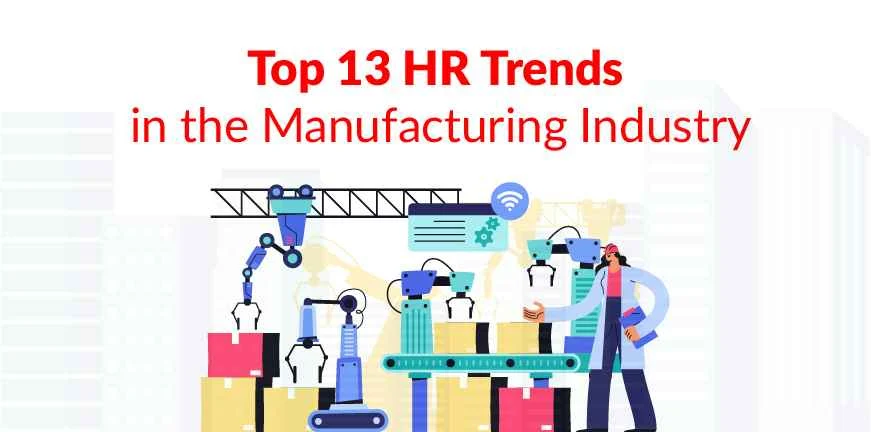
The manufacturing sector in India today does not solely encompass machines, plants, and meeting production targets. Today, it is designed by sharp skills, people, and advanced technology that drive workplaces.
The year 2026 brings a whiff of stormy challenges across the country with the advent of automation and AI technologies, along with a workforce that is shrinking, severe skill scarcities, and an enhanced level of expectations from employees who seek flexibility and growth.
Are you, as an HR leader, ready for the revolution? Brace yourself to evolve into a strategic ally, a radical shift from traditional functional support in the era of Manufacturing 5.0 in 2026.
The Government of India is focusing on extending the Production-Linked Incentive (PLI) scheme by launching the National Manufacturing Mission (NMM) for strategic growth in green tech (solar, EV, hydrogen) and electronics. Then, initiatives like providing an Rs 8,800 crore extension to upskill the workforce are crucial for technology adoption and manufacturing growth.
As per reports, the manufacturing sector is projected to grow by around 7% in FY 2025-26, up from about 4.5% growth in FY 2024-25 — a significant acceleration in industrial output.
With the backing of the government and renewed vigour in technology and people-centric operations, HR leaders, as you must be aware, of the current HR trends in manufacturing.
Why Are HR Trends Rapidly Changing in the Manufacturing Industry?
HR trends are evolving at the speed of lightning, and there are several factors influencing the rapid change. Let us look at some of the factors:
1. Skill Gaps & Labour Scarcity
There is a dearth of workers as experienced employees are retiring, before new members join, leaving a gap in niche technical roles. The younger generation is mostly under the impression that manufacturing is only about rugged and physical labour with outdated and unsafe machines. They find it unappealing to apply in this sector.
2. Rise in Advanced Automation
There is a surge in the penetration of AI and automation in the manufacturing sector. With the introduction of smart machinery, AI tools, and platforms, there is a requirement for specialised and new skills. This is where HR needs to focus on training and development processes. There is a need to implement tech-oriented HR processes and solutions that include data analysis to keep up with the digital revolution.
3. Evolving Labour Force Demands
Workers today are done with just expecting a fat paycheck; they yearn for more. Their expectations have transformed, and they want to work in environments that hone their personal and professional development. They demand experiences that are powered by purpose, a positive work culture, work-life balance, engaging opinions, and inclusive landscapes.
4. Changing Population Graphs & DEI:
Diversity &Inclusion (DEI) is becoming a top priority for organisations with changing demographics and a demand for diverse groups of companies working in companies. People from different backgrounds, religions, age groups, etc. The business advantage is that they bring fresh perspectives, along with innovative ideas and retention.
5. Competition at its Peak
The talent market in the manufacturing sector has become highly competitive, and manufacturers must compete with various tech startups that are mushrooming across the country for skilled talent. Organisations must get more creative with their hiring procedures, introducing innovative methods to attract and retain suitable professionals that involve crafting career paths and opportunities for them.
What are the Top 13 HR Trends in the Manufacturing Industry?
Let us now examine the latest trends and understand how they will impact the outlook for businesses in the coming year. Here are the major HR trends in the manufacturing industry for 2026.
1. Skills have become the New Vital Tool.
The manufacturing sector has been recruiting individuals based on their stamina and physical capabilities. Today, times have evolved, and factories need workers who are skilled in programming robotics, interpreting data, operating robots, running simulations, etc. These skills are niche and in high demand in the manufacturing sector.
2. Human Robot Collaboration
A revolutionary development in the manufacturing sector is the introduction of robots that work with humans in factories. The collaboration is also called Cobots, or collaborative robots, which are rapidly growing and changing the meaning of factory work. These cobots, instead of replacing humans, make their work easier by handling repetitive tasks or tasks that are physically risky. This allows employees to focus on tasks that are high-performing and significant.
Interesting fact- Unimate was the first of its kind industrial robot introduced in 1961, and it worked on a General Motors production line, facilitating the birth of human-robot collaboration in manufacturing.
3. Shift Scheduling and Overtime Control are Critical
The manufacturing landscape today, over time, is not just another business expenditure; it also involves the efforts of employees who might get exhausted and experience burnout due to lengthy work hours. You, as a manufacturer, must manage overtime shifts and schedule them cautiously so that they are distributed fairly. There is advanced HR software that ensures the consistent enforcement of OT policies.
4. Smooth Onboarding and Exit Management
The current manufacturing HR trends include a method of making the joining of employees seamless; similarly, the exit process is also being made easier. There is an introduction of swift digital onboarding, making the employee journey positive. Final settlements and releasing systems are also automated, ensuring all dues are cleared, and exit interviews are done successfully.
Use case- Toyota Motor Corporation’s onboarding process is designed to immerse new hires in the company culture and principles from day one, helping them integrate into lean manufacturing practices and team collaboration.
5. Safety is always Uncompromisable.
As a manufacturing leader, you know that one safety mishap incident and years of trust will go down the drain. With the advent of sophisticated machines, the risk of safety hazards might be lower, but there should be no room for loopholes. This is where technology comes in and is utilised by HR today. HR software is integrated to track safety training and save audit-prepared documentation of compliance.
6. Predictive Manpower Planning
In manufacturing, production is based on precise outputs. However, traditionally, manufacturing was always dependent on the calculation of averages and estimations. Times are different now with AI-enabled HR systems embedded with analytics that can predict the number of workers required in a particular shift based on production demand, track the number of people who are regularly absent, seasonal surges, etc.
7. Compliance is Critical to Manufacturing
Manufacturing and compliance are two peas in a pod. There is an array of wage rules and labour laws that are required to be adhered to regularly, and the HR teams must be on their toes when it comes to helping businesses with compliance policies. The latest trend is to maintain digital compliance calendars that notify of due dates related to audit, training, and documentation. There are various compliance tracking systems today for contractors and vendors, all working to reduce legal repercussions.
8. The Human Aspect of Human Resources
The manufacturing sector is stereotyped as an environment that is loaded with physical and strenuous work and is mostly male-dominated. This notion is changing now as the sector is evolving majorly in terms of employee welfare and their mental wellness. HR is helping businesses to introduce user-friendly workstations, regular onsite counselling, and attempt to recruit individuals from diverse backgrounds.
9. Generative AI Revolutionises HR Practices, Particularly Recruitment
Generative AI has not only impacted manufacturing processes but also hiring for manufacturing. With HR relying more on AI tools to streamline the hiring process, there is now the opportunity for them to explore a much larger talent pool, allowing them to onboard the best talent.
It also saves time to plan the interview process better than before. This will, in turn, ensure that the new hires will also have a great attitude and other emotional intelligence skills, which could prove useful in the case of an emergency or hazard on the floor.
10. More Demand for Fresh Talent as Companies Hire Apprentices Actively
Manufacturing is an industry that has evolved in recent times due to the influx of technological advances, requiring people on the assembly line to also learn to use the tools involved in the process.
Companies are hiring apprentices actively, as they would need to train the new hires anyway, and recruiting apprentices helps them save a lot of money. Apprentices are not full-time employees, and they need not be offered the benefits that companies must offer their regular employees.
11. Employers Strive for Compliance Regarding Wage Payout
There has often been concern about worker wages not being paid accurately or promptly. Employers will strive to be more compliant in 2025, ensuring that the workers are paid their wages accurately and on time, irrespective of their gender or social status.
The automation of payroll and the limiting of human intervention could also remove the biases in the process and help with this. The payroll system or a payroll partner will help ensure that the salaries are paid on time and accurately, ensuring there are no lawsuits.
12. Gender Equity Will Be a Big Thing, with Women Taking Charge
With automobile manufacturers taking charge of introducing more women to the assembly line, similar steps are being taken by other sectors as well. Such gender equity in the manufacturing processes is a big thing, as it will bring more women into a sector where traditionally men have always been in charge.
The inclusion of women in manufacturing, both in workspaces and in factories, ensures that there is also a chance for everyone to think outside the box and show empathy in management.
13. Sustainability Across the Supply Chain Will Be Led by New Talent
Companies will strive for more sustainability across the supply chain. To achieve this, they will need advanced technology and AI, monitoring the entire supply chain from every supplier to final delivery, without exception.
Also, they would need to adhere to certain standards as they would be updated for 2025 and the years to follow. To meet all these expectations, manufacturing companies will need talent to check on these systems, ensure that they are working properly, and prepare compliance documentation.
What Are the Best HR Practices in the Manufacturing Industry?
The manufacturing sector is evolving and is one of our most important industries. HR plays a vital role in its growth and success. If you are a manufacturer, you must know that investing in HR strategies will only help you pivot and stay ahead. Here are some of the best practices that align with the future HR trends in manufacturing:
Design a Robust Onboarding System
Establishing a consistent and comprehensive onboarding process is the responsibility of HR. It enables new employees to get integrated into the system smoothly. Your procedures can entail training and orientation sessions, safety training measures, introducing new hires to the teams, etc. You must also brief the new hire about your work culture, values, and goals.
Nurture a Positive Work Landscape
A positive work culture is a boon to any business, and HR teams can enhance it by implementing methods and plans that involve transparent communication systems, diminishing conflicts, and boosting morale and productivity. Additionally, HR teams can craft guidelines and policies related to employee well-being, work-life balance, etc. There can be the execution of employee performance management and employee training programmes to encourage people to work and contribute consistently towards organisational goals.
Utilise HR Technology to the Optimum
Today, technology can transform your entire business operations, and HR systems can be accurately streamlined, saving time and resources. HR software can easily automate administrative processes like payroll, tracking performance, and eliminating paperwork. Application Tracking System can be implemented to make applicant screening, interview scheduling, etc, more efficient and effective.
Continuous Upskilling and Development
In manufacturing, every aspect of the sector is evolving, be it machines, technology, or operations. Your workforce will be in constant need of upgrading and learning new facets every day. It is the responsibility of HR managers and teams to focus on implementing learning programs, on-the-job training, technical coaching, cross-functional development sessions, and many more.
Structuring a Robust Employer Brand
The best HR practices can help manufacturers build a strong brand image. Practices that are people-focused will always draw top talent and accelerate retention. You must ensure that the workplace policies are unbiased, transparent, strong, ethical, and safe. And a pleasant shop floor experience.
What Are the Key HR Initiatives in Manufacturing Companies Today?
With the changing and evolving talent market scenario and Hr trends in the manufacturing sector, there is a slew of brand-new innovative initiatives that are becoming quite popular. Let us have a look:
Shop Floor Gamification
Manufacturers, with the help of HR, today are converting their shopfloors into gaming zones. This is an interesting method to hook workers and enhance productivity. You can adopt this method and make routine tasks exciting by maintaining scorecards on production, team-related challenges, rewards for safety compliance, etc.
Flexible Shifts and Scheduling
Companies are today experimenting with implementing micro shifts instead of 8 to 12-hour shifts. HR is designing schedules and splitting shifts, or providing weekend-specific roles and offering choices for overtime schedules. These initiatives are beneficial for women, gig, and semi-skilled workers.
Learning and Improving Career Pathway
There is a unique initiative that manufacturers are taking, which is providing learning pathways while earning. This method can be facilitated across departments in rotation, and employees can receive certifications while they are working. This kind of approach helps in building loyalty and can benefit your business during a skill shortage.
AI-Driven Safety Monitoring
Today, with AI in control, there are various gadgets enabled by AI software that help detect fatigue easily. There are AI cameras installed to spot unsafe behavioural alerts, predictive analytics to gauge and anticipate the number of workers absent, and forecast attrition rates.
What is the Impact of HR Trends in Manufacturing in 2026?
With the new year bringing these trends, it will be a risk not to pay heed to them. If one ignores the advancements in AI, then one would be falling behind the competition when it comes to process efficiency and improvement. Automation will also help HR focus on other aspects of the business where they can contribute strategically, such as workforce planning and interim management.
They can also work towards improving employee engagement and satisfaction, increasing productivity in the process, all key aspects of manufacturing management, and ensuring that the business’s bottom line gets a boost. Sustainability also gets a green card from many companies, making the world a much better place to live and breathe.
Are You Looking for a Manufacturing Recruitment Agency?
Awareness of the trends mentioned in this blog should help guide your recruitment through 2026 and beyond. What will really help you stand out are improvements in the manufacturing process and HR managing the process of acquiring talent, as talent is the thing that makes the difference. Is there a way out if you still need help?
You must partner with a recruitment and staffing agency of repute like Alp Consulting Ltd, engaged in the recruitment and planning of the workforce for several Fortune 500 companies. We have already helped several manufacturing companies with their recruitment, payroll , and compliance needs. If yours is a manufacturing business, let us know how we can help improve your search for talent. We are waiting to hear from you.
Key Takeaways
- Manufacturing has a new Backbone – Skills
- HR evolves from Strategy to Support
- Technology and AI Are Transforming HR Operations
- Employee Experience, DEI & Well-Being Drive Retention
- Future-Ready Manufacturers Invest in Talent & Sustainability
Frequently Asked Questions
1. What are the latest HR trends in the manufacturing industry?
The latest HR trends in manufacturing include technology (AI, automation for recruitment/scheduling), upskilling/reskilling for digital transformation, enhancing the employee experience, etc.
2. How is AI being used in manufacturing recruitment?
AI is revolutionising manufacturing recruitment by automating screening, sourcing, scheduling interviews, etc.
3. Why is apprenticeship hiring increasing in manufacturing?
Apprenticeship hiring is increasing in manufacturing to bridge significant skills gaps, combat an ageing workforce, reduce recruitment costs, and adapt to Industry 4.0’s technological demands.
4. What are the biggest HR challenges in manufacturing companies?
The most significant HR challenges in manufacturing include skilled labour scarcity, high turnover rates, employee engagement and performance-related issues, etc.
5. How can manufacturers reduce attrition on the shop floor?
Manufacturers must focus on creating a positive, safe work landscape with competitive pay, invest in robust training & career paths, improve onboarding, empower good leadership, etc, to reduce attrition in the sector.
6. How do HR trends impact compliance and worker safety?
HR trends affect compliance and worker safety by formulating new requirements, requiring updated training (digital literacy, mental health), and leveraging technology (automation, analytics) to proactively manage risks like bias, data breaches, etc.
Contact Us For Business Enquiry

Rajkumar Shanmugam
Rajkumar Shanmugam is the Head of HR at ALP Consulting, bringing over 19 years of comprehensive HR leadership experience across India and international markets. His expertise spans talent acquisition, employee relations, performance management, compliance, and HR transformation. Rajkumar has a proven track record of driving people-centric initiatives, enhancing workplace culture, and aligning HR strategy with business goals. With extensive experience in US staffing operations and global mobility, he continues to lead organizational excellence through innovation and employee engagement.