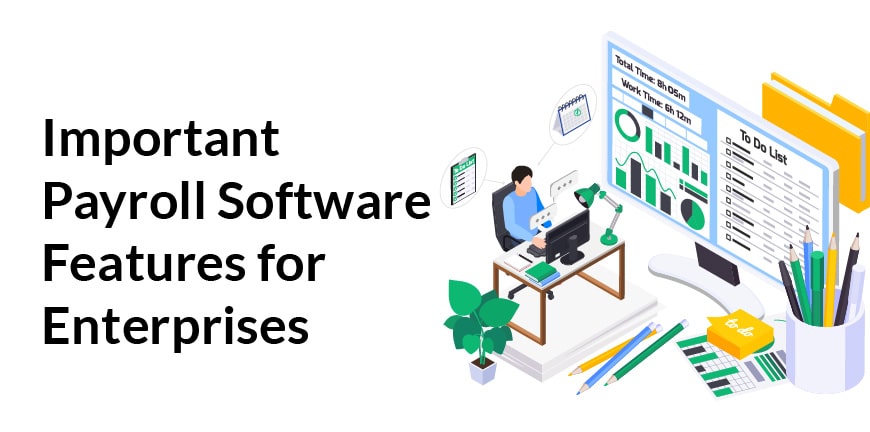
The Most Important Payroll Software Features for Enterprises
22/11/2023
5 Ways ChatGPT Can Benefit HR Teams in Recruitment & Management
27/11/2023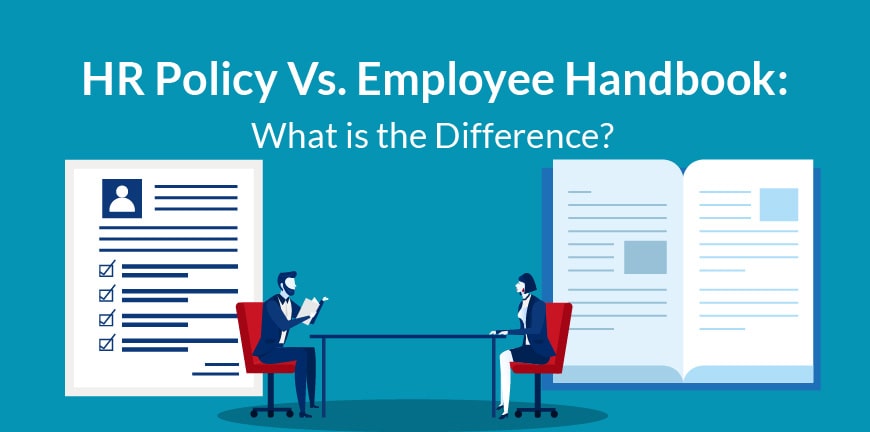
When you hire an employee, the HR person who does the onboarding hands over a big book of rules and rights the employee has. These days most companies will just have a mail sent out with the e-book, but you get the picture, an employee handbook is mandatorily handed over during the onboarding. Recruiters are also familiar with HR policy. This brings us to the question: Is there a difference between HR policy and employee handbook?
Short answer: You might think they are the same, but there is a difference. The HR will have internal guidelines on how to carry out recruitment, staffing, and compliance and payroll-related functions, who the stakeholders are, and how to track if everything is going fine. This is the HR policy document.
It is the watchdog, as it were, of the human resource planning in the organisation and ensures that everyone in the organization is happy and content, abiding by the rules, productivity is high, and costs are under control. Let us now look at the formal definitions of both HR policy and employee handbook and then summarize the differences between them.
What Is HR Policy?
HR policy is a document that outlines the role and responsibilities of HR in matters related to hiring, compliance and payroll, affecting not just employees but the management and the business. This document is created and maintained by the human resources team and approved by the stakeholders and members of the board of the company.
The HR policy document gives guidelines on diversity and inclusion, condemns any kind of abuse, helps guide managers in employee performance management, leave policies, and calculation of wages, code of conduct etc. the HR policy document eventually helps create a warm, productive and congenial atmosphere at work and gives the business a much-needed boost in ROI as well. It is prepared in accordance with legal requirements and best practices followed in the industry the business is engaged in.
The HR policy document is a living document of great importance to any organization and decision-makers will often refer to it, to help ensure that their actions fall within the boundaries of acceptance in the company. These boundaries are set by the HR policy document. But the document itself is amendable and can be changed in accordance with changes in laws, both set by the centre and state of the countries where the business operates and in line with industrial regulations.
What Is an Employee Handbook?
Now for the second definition, that of an employee handbook. We saw how HR policy is integral to a company functioning well. But at its heart is a company’s most important asset – people. And their productivity levels decide how well a company is doing and how it is growing year-on-year.
So, if an HR policy document is the body on which the company is based, an employee handbook is the heart and soul of the company. An employee handbook is handed over to employees at the time of onboarding in the company. It is generally the same document across teams and departments in the company.
Because they are provided at the time of onboarding and is the same for every employee in the company, they are user-friendly and laid out in a manner that favours reading and easy accessibility. They will not just have simple and readable text but probably images too which help get the message across.
Organizations may in the future even integrate AR into the employee handbooks they distribute, increasing the accessibility and relevance of the topics mentioned in the handbook. This will ensure that the employees are on the same page (pun intended) as the management with regard to what must be done and how in the company.
An employee handbook provides its employees insights into the company’s culture, its history and what the organisation expects from and promises its employees. It can be a valuable resource for not just employees, as the name suggests, but employers too.
By adding info on the mission, vision and values of the company and the mandatory benefits that employees enjoy too, an employee handbook is a promise from the HR to the employees and a reminder of their fundamental duties as well at the same time.
Key Differences Between HR Policy and Employee Handbook
While they both do overlap in some ways, they serve different purposes and have distinct characteristics. Let us give you a clear idea as to how HR policies operate and employee handbook operates. This brief will help you understand HR policy vs employee handbook operations.
Understanding HR policy
1. Definition and purpose
The human resources policy is an internal document that the HR department crafts. This document helps the HR team to understand and execute their duties and responsibilities effectively.
2. Content
The HR manual containing information on policies, procedures and practices to be followed by each and every employee in the organization. This includes recruitment, onboarding, performance management, and employee relations.
3. Target audience
The HR policies are primarily made for the HR team itself. It is a guide that every HR professional uses as a reference to ensure consistent activities and adhere to HR policies of the organization.
4. Confidentiality
The HR policy contains sensitive information and is also considered an official document at times. Only the HR team is authorized to access the HR manual.
5. Legal Compliance
HR policies are present to make sure that the procedures executed in an organization comply with relevant labour laws and regulations. It states points that must be followed to ensure fair and transparent employment practices.
Understanding the Employee Handbook
1. Definition and purpose
An employee handbook is also document that is created by the HR but for the benefit of all employees. The main aim here is to let employees know about company policies, procedures and expectations out of their job roles.
2. Content
It encompasses many topics which include conduct of an employee, benefits, leave policies, disciplinary procedures, and much more.
3. Target audience
The employee handbook, as the name suggests, is for all the employees in an organization. It is a document that states everything from how employees must conduct themselves to what is expected of them in their job role.
4. Accessibility
This is accessible to all employees, either in print or electronic mode. This is usually introduced to the employee during their onboarding process and can be referenced at any time.
5. Legal protection
Following the employee handbook, can help organizations stay away from legal issues. The guidelines that are mentioned in the handbook are clear and are updated so as to reduce misunderstandings and legal disputes.
Bridging the Gap
1. Collaboration
HR policies and employee handbooks can complement each other. HR professionals must collaborate with each other to make sure the information mentioned in both are in line with the organizational needs and goals.
2. Updates
Both documents must be updated regularly in order to stay current with the changing laws and organizational changes. Working together can help maintain accurate records.
3. Communication
HR teams must constantly communicate to make sure the policies in the employee handbook align with the HR policy.
Why Are Both Documents Important for Organizations?
Both the employee handbook and HR policy are important for organizations as they guide employees as well as HR on how to conduct themselves and what duties they are expected to do, while maintaining compliance with regulations respectively.
The handbook communicates what the culture of the workplace is, what expectations are in place, while the policy has details and procedures to follow to keep operations consistent and in compliance with relevant employment laws and regulations.
The two together create a unified system where employees are made aware of their responsibilities and rights in the workplace. The management has details as to how to ensure fairness and compliance across the organization.
How to Create Effective HR Policies and Employee Handbooks
To create effective HR policies and employee handbooks companies must consider certain things.
- Make sure you understand the goals of the handbook, which include communicating culture, setting expectations, and ensuring compliance. Consider the different backgrounds your employees come from and make sure they have accessibility.
- All employment rules and regulations must be included in the policies. This could include benefits, wage laws, leave policies and more.
- Let everyone, including the stakeholders, HR, and different departments, contribute to drafting the right policies and procedures so that none of the key areas are missed.
- The language used in the employee handbook and HR policy must be clear, simple and to the point. Do not dawdle. Avoid jargon words.
- Your company’s mission, vision, and values must be incorporated into the points stated in the policies and handbooks. This helps employees actually understand what the organization is all about, the culture they expect to uphold.
- Some of the key essential policies that must be included but not limited to a- Equal employment opportunity (EEO) and anti-harassment policies, behavioural expectations from employees, compensation, benefits, payroll procedures, work hours, attendance, workplace safety, security procedures, data protection, and confidentiality guidelines.
- Have an employment attorney take a look at the rules and policies you have stated in the handbook and HR policy manual. This is crucial so you can make sure everything complies with relevant laws and see if the language used is right.
- Make sure the handbook is accessible to all employees
- Make sure all employees sign and acknowledge that they have received the handbook and read it.
- Managers and employees must go through training to understand and apply the policies.
- The handbook and policies must be reviewed regularly to ensure they are up to date and are serving the organization’s purpose as well as maintain compliance.
Future Trends in HR Policy and Employee Handbooks
1. Digital and Interactive Handbooks
Instead of manual handbooks, digital handbooks are being preferred. These include interactive content, easy updates, video guides, and real-time access for distributed teams.
2. Hybrid and remote work
The right policies must be in place in order to accommodate the needs, rights and expectations, and security of individuals working remotely and in hybrid workplaces.
3. AI and automation in HR
Employee handbooks must be updated in order to define what AI tools, digital collaboration platforms can be used, along with new compliance and ethical guidelines.
4. Prioritize employee well-being and mental health
Policies stated must be drafted in a way that it supports employee wellness, has resources to help employees maintain mental health and new laws.
5. DEI and pay transparency
Policies that ensure all employees from diverse backgrounds are treated equally, given the right opportunities, maintain equity balance, and foster inclusivity in response to employee expectations.
6. Compliance with global and local regulations
Handbooks must cover the changing privacy laws, anti-harassment, wage equity, leave provisions, and employment classifications.
HR Policy vs. Employee Handbook
In summary HR policy document is an internal document that describes how the HR carries out its functions and provides visibility to stakeholder about the functions of HR and allows them to suggest changes if necessary.
The employee handbook, on the other hand, deals with how employees can work hand in glove with each other in the company, ensuring a productive and safe atmosphere.
The employee handbook helps to communicate organisational values and what employees can do to fit right in, while the HR policy document helps govern various aspects of employment itself, allowing the HR department to work smoothly.
Partner with Alp Consulting for HR Compliance & Policy Management
Partnering with Alp Consulting for HR compliance and policy management helps your organization stay updated on the latest regulations, minimize compliance risks, and streamline operations. We continuously monitor labour law changes and conduct regular policy audits to ensure your business is always aligned with current requirements. We automate documentation, training, and reporting to ensure audit readiness while providing secure, centralized management of sensitive HR data.
FAQs- Frequently Asked Questions
1. What is the difference between an HR policy and an employee handbook?
An employee handbook provides its employees with insights into the company’s culture, its history, and what the organisation expects from and promises its employees. It can be a valuable resource for not just employees, as the name suggests, but employers too. HR policy is a document that outlines the role and responsibilities of HR in matters related to hiring, compliance, and payroll, affecting not just employees but the management and the business.
2. Who creates HR policies and employee handbooks?
The HR department creates HR policies and employee handbooks, often with final approval from senior management or the board of directors.
3. Do companies need both HR policies and handbooks?
Yes both documents are equally important as one guides the HR team regarding their duties towards the organization and employees, and the other outlines the conduct to be maintained by all employees as well as what is expected of them.
4. Can HR policies be included in an employee handbook?
Yes, HR policies that are relevant to employees and must be followed may be included in the employee handbook.
5. Why update HR policies and handbooks regularly?
The two must be updated often to ensure they are serving the organization’s purpose, safeguarding employees’ rights, and are compliant with employment laws.
Contact Us For Business Enquiry

Rajkumar Shanmugam
Rajkumar Shanmugam is the Head of HR at ALP Consulting, bringing over 19 years of comprehensive HR leadership experience across India and international markets. His expertise spans talent acquisition, employee relations, performance management, compliance, and HR transformation. Rajkumar has a proven track record of driving people-centric initiatives, enhancing workplace culture, and aligning HR strategy with business goals. With extensive experience in US staffing operations and global mobility, he continues to lead organizational excellence through innovation and employee engagement.