
Difference Between Recruitment and Selection
13/12/2025
Build-Operate-Transfer (BOT) vs. In-House GCC: Which Model Wins?
14/12/2025
Definition
Contingency recruitment refers to the type of recruitment where an organization hires an expert third-party recruiting agency to find candidates for an open position. You may be wondering how contingency recruitment is different than the other recruitment models. In contingency recruitment, the recruiting agency only gets paid if the candidate is hired by the hiring organization.
What is Contingent Recruitment?
Contingent Recruitment means the process of a recruitment agency getting paid a certain fee for finding a candidate that the organization actually hires. It is a type of recruitment outsourcing that not only helps save an organization’s time and energy but also helps them find a candidate that best fits the position, as well as pay the recruiting agency only for a successful hire and not otherwise. So, in a way, it’s also quite the budget friendly model that companies can go for.
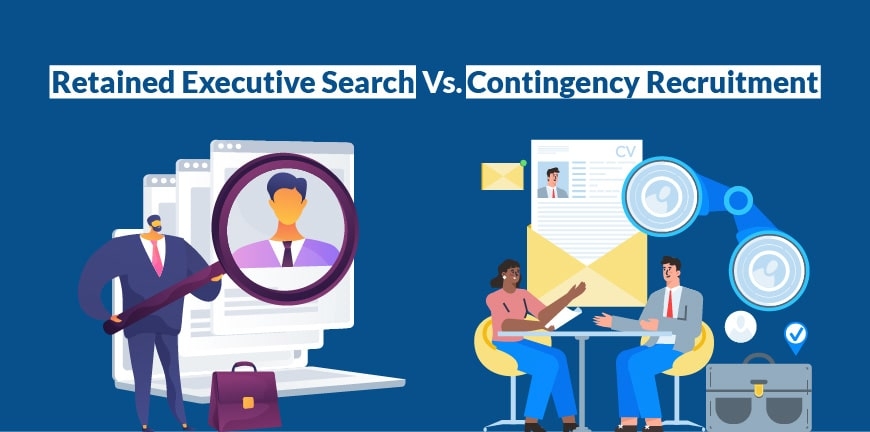
Executive Search vs Contingent Recruitment: What is the Difference?
Executive search is a type of recruitment that focuses on hiring senior-level executives and board members, while contingency recruitment is used to fill a variety of positions, including entry- to mid-level roles. A few other avenues where the two differ are:
- Positions they target for
- Research methods
- Payment
- Time taken
- Fees
How does Contingent Recruitment Work?
Contingent Recruitment works like a contractor for an organization, meaning they are not to be paid until the work is finished. In this case, the recruitment agency finds a candidate that the company hires successfully for their open position.
Here are some very important steps that can help you understand how the recruitment contingency plan works-
- A representative from the hiring company gives the contingency recruitment team detailed information about the job position that needs to be filled. The representative helps the recruitment team with all the information they require to commence their search for the right candidate.
- Once the details have been discussed, both parties agree on a particular fee that the recruiter is to be paid by the company if a candidate gets hired. Sometimes, there are also other terms, such as how long the search for candidates should last, etc.
- The contingent recruitment process begins, and the recruiter starts contacting and talking to potential candidates to find the right one for the position. The discussions may happen virtually or in-person. Some of the communication channels used are email, social media, telephone, etc.
- A short list of potential candidates is gathered, and interviews are set up between these candidates and the hiring company by the contingent recruiter.
- The hiring company interviews each candidate and reviews their options. Out of the interviewed candidates, the company gets to decide whether they are ready to hire one for the open position, or even may not, if they don’t find anyone suitable enough among the presented candidates.
- If the hiring company finds a suitable candidate for the open position, it may provide that person with an offer of employment, which is an employment contract. Both parties sign this contract so that it’s legally binding. After the company hires one of the contingency recruiter’s candidates, the recruiter receives payment.
What are the Advantages and Disadvantages of Contingency Recruiting?
Every form of recruitment has both benefits and drawbacks, and so does the contingency recruitment model. Understanding the pros and cons can help you decide if the contingent recruitment model is right for you.
The benefits of contingency recruitment are as follows:
- As the fee is contingent on the successful hiring of a candidate, the company can save quite a bit of money, and there are no upfront expenses.
- Finding and recruiting junior and mid-level candidates is quite a task, as well as handling the paperwork thereafter. Contingency recruiting can help decrease HR’s workload.
- In contingency recruitment, there’s no exclusivity clause in the contract, so companies are free to engage multiple recruiters simultaneously to increase their chances of finding the right fit for the position.
- If a hired candidate isn’t successful within a set time period, the company can lower the recruiter’s fee.
- A recruiter may provide a company with other guidance, such as advice about negotiating salaries.
Drawbacks of Contingency recruitment are as follows:
- Since the fee is contingent, recruiters may focus more on quantity rather than quality in desperation to find the right fit for the position much more quickly.
- A one-time fee can be expensive for a company.
- Since there is no clause of exclusivity, recruiters who do contingency work can present the same candidates to a variety of clients.
- Companies may need to pay for candidates who only work for them for short periods of time.
What is the difference between contingency recruiters and retained recruiters?
One of the main differences between the two is how they are paid and the type of recruitment they do.
Contingency Recruiters– are paid a percentage of the candidate’s starting salary only after the successful placement of a candidate in a role. So, it’s more of a “no-win, no fee” type of recruitment. Contingency recruiters often work with active job seekers and are good for quickly finding someone to fill a role.
Retained Recruiters– are paid a retainer fee upfront to conduct a search, regardless of the outcome. Retained recruiters are more like an extended employee family as they stay on with the hiring client until the job is done. They are often hired to identify and hire top talent for key positions and work exclusively on the client’s behalf. Retained recruiters are good for when you have time to assess candidates and make sure you hire the right person for the role.
Are you looking for a Contingent Recruitment Partner?
If you’re looking for a contingent recruitment partner, choose wisely, as the right one can significantly impact your hiring success, flexibility, and cost-efficiency. Alp Consulting is a skilled contingent recruitment partner who not only offers access to a broad talent pool but also holds the expertise in matching candidates with your company’s unique needs, ultimately saving you time and reducing the risk of costly hiring errors.
As one of the best contingent recruitment agencies in India, we thoroughly understand your industry, hiring goals, and culture, and can build a more adaptable workforce, respond swiftly to changing demands, and help you maintain a competitive edge in the talent market. You can definitely think of us as an investment in quality talent and sustainable growth, helping you scale effectively with confidence.
Frequently Asked Questions (FAQs)
1. How do I choose the right contingency recruiter?
Some of the things to consider while choosing the right contingency recruiter are-
- Industry expertise
- Data-driven approach
- How well they understand your business
- Proven track record
- Terms of their services offered
2. How much do contingency recruiters charge?
The standard fee percentage varies, typically ranging from 15% to 30%, depending on factors such as the job level, industry, and exclusivity of the recruiting relationship. Entry-Level Positions: Fees for entry-level positions often range from 10% to 15% of the candidate’s first-year salary.
3. Why does a company hire a contingency recruiter when an HR department looks for candidates?
A company usually goes for the option when their need and urgency for hiring is high. Contingency recruiting is popular for filling mid-level positions and roles where the urgency or volume of hires is high. Additionally, this type of recruiting also allows companies to engage multiple recruiters simultaneously without initial costs, increasing the chances of finding suitable candidates.
4. What types of businesses should use contingency recruitment?
Contingency recruitment is ideal for businesses that are looking to fill non-executive roles or when the need to fill a position is urgent. It works well for companies looking for mid-level professionals or those seeking to expand their workforce without a large upfront investment in recruitment.
Contact Us For Business Enquiry

Kasthuri R
Kasthuri R is the Co-Founder & Executive Director at ALP Consulting, bringing over 23 years of experience in search, staffing, and HR consulting. She has been instrumental in driving ALP’s recruitment, employee leasing, and executive search practices across diverse industry verticals. With deep expertise in talent acquisition, HR strategy, and operational management, Kasthuri has built scalable, client-focused solutions that enhance workforce efficiency. Her strategic leadership continues to steer ALP Consulting toward innovation and excellence in people management.