
18 types of Human Resources Positions: Salaries, Skills, Career Growth
27/12/2025
Top 13 Learning & Development (L&D) Trends to Watch in 2026
28/12/2025
“Your employees are your company’s real competitive advantage. They deserve fairness, transparency, and trust.”- Anne Mulcahy, Former CEO, Xerox.
Do you know that payroll errors are a major red flag that can increase attrition rates? Do you realise expanding businesses can’t manage payroll through traditional methods?
Payroll management is more than just calculating salaries; it’s a complex blend of compliance, systems, technology, and accurate employee data. For HR leaders, understanding how the payroll management system truly works is essential to avoiding risks, boosting efficiency, and building employee trust.
This comprehensive guide offers you valuable insights that can be used for overhauling existing payroll management systems and achieving better outcomes.
What Is a Payroll Management System?
A payroll management system is a structured digital solution that automates, manages, & streamlines an organisation’s entire payroll process, from employee onboarding to salary disbursement & statutory compliance.
According to Global Growth Insights, over 51% of companies across the globe are migrating from traditional on-premise systems to Cloud/SaaS payroll models for better scalability, security, & lower maintenance costs. The employee payroll system eliminates manual errors, ensures accurate salary calculations, integrates attendance and leave data, & automatically applies taxes and deductions.
By centralising operations, the payroll system management improves efficiency, enhances data security, supports compliance with Indian labour laws, & provides employees with transparent access to payslips and payroll information.
Here are 5 steps involved in the working of an employee payroll system:
1. Data Collection & Validation
Employee details, attendance, leave, overtime, & variable components are gathered and validated for accuracy.
2. Payroll Calculation
The employee payroll management system automatically computes gross salary, deductions, taxes, benefits, & the final net payable amount.
3. Statutory Compliance Processing
PF, ESIC, TDS, Professional Tax, & other statutory deductions are applied as per Indian regulations.
4. Salary Disbursement
Approved employee payroll is processed through integrated bank transfers, ensuring timely & error-free salary payments.
5. Reporting & Record Management
Payslips, compliance reports, and financial summaries are generated & stored securely for audits & statutory use.

Why Is Payroll Management System Crucial for Indian Businesses?
A payroll management system is a standardised tool used by companies to manage employee salaries & tax deductions. The Indian payroll services market size is evaluated at $1.78 billion in 2025-26 & is expected to reach $2.56 billion by 2030, growing at a CAGR of 7.49%. Moreover, employee payroll management can be handled in-house through a dedicated team or outsourced to a top payroll management agency, such as Alp Consulting Ltd, for better outcomes. A payroll management system typically includes:
- Employee Onboarding
- Data Collection
- Work Hours Tracking
- Leave Management
- Payroll Calculation
- Tax and Voluntary Deductions Application
- Tax Computation
- Payslip Generation
- Salary Disbursement
- Tax Filing
- Compliance Reporting
- Record Keeping
Here are 5 reasons that make the payroll management system paramount for every business looking to accelerate its growth in the market:
1. Maintain Brand Reputation
Complete failure or shortfall in executing payroll roles & responsibilities effectively can damage an organisation’s brand image. These vulnerabilities can attract undue scrutiny from labour and tax authorities, and harm its ability to attract & retain top talent in the future.
2. Compliance
An accurate payroll system ensures adherence to tax regulations & reporting duties. This shields businesses from fines, penalties, or lawsuits while maintaining strong relationships with relevant financial & regulatory authorities.
3. Talent Retention and Employee Turnover
An efficient payroll management process takes employee satisfaction levels up a few notches, strengthens loyalty, & minimises turnover. This ensures a stable & committed workforce that supports business growth & continuity.
4. Financial Integrity
Effective payroll maintenance brings transparency, accuracy, & innate accountability in financial practices. This helps boost the organisation’s credibility, fiscal health, & trustworthiness among employees, end-customers, stakeholders, & regulatory agencies.
5. Increased Employee Engagement, Morale, and Productivity
Timely & accurate payroll cycles build trust, enhance morale, support financial stability, & create an environment of employee engagement. Additionally, well-managed benefits further motivate staff and positively influence overall performance.
How Does Payroll Management Work in India? (Step-by-Step Process Explained)
Employee payroll management system in India involves a structured, compliance-driven process that ensures accurate salary calculation, statutory deductions, timely payments, and proper documentation. It integrates employee data, attendance, taxes, and regulatory filings, helping organisations maintain transparency, legal compliance, and smooth financial operations every month. Here are 5 steps involved in the working of a robust payroll management system:
Step 1: Create a Standard Policy for Payroll
Establish a clear payroll structure & policy document that outlines employee compensation, pay cycles, overtime, & benefits. This brings uniformity & transparency across the company, making it easier to handle payroll roles and responsibilities & avoid miscommunication instances.
Step 2: Gather & Validate Employee Info
The payroll management team will amass essential employee data stage-wise, such as tax forms, pay rates, and benefit choices. It’s imperative to validate this data to ensure it’s up to date & accurate before commencing the payroll process.
Step 3: Statutory Compliance for Payroll
Ensure the adopted payroll model is compliant with local, state, & federal laws. This includes making deductions for taxes, social security like EPF, insurance, & retirement plans as required by the laws mandated by the concerned government authorities.
Step 4: Calculate Pay and Initiate Payout
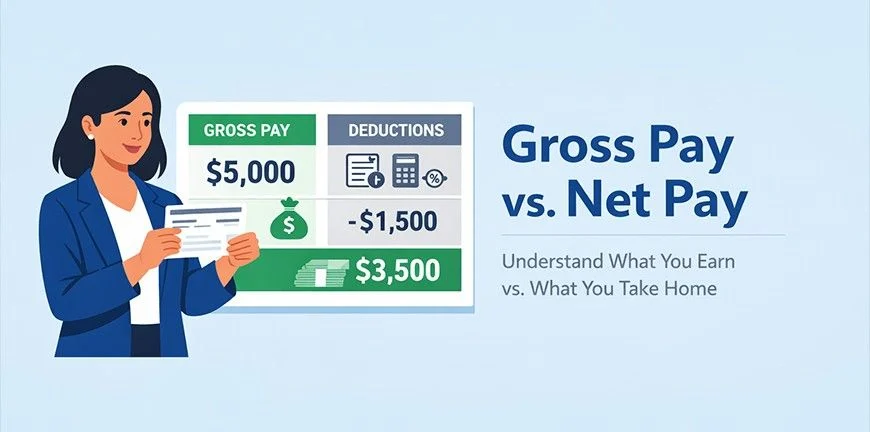
The payroll analyst will calculate the total gross pay for the month based on hours worked or salary, then subtract the applicable deductions (taxes, benefits, etc.) to arrive at the net pay. Once the calculations are deemed to be accurate, the payroll team will initiate payment to employees via NEFT, checks, or other methods.
Step 5: Accounting and Reporting
After crediting salaries to employees, payroll job functions also take up the responsibilities of ensuring all payroll-related financial transactions are accurately recorded in the accounting system. Additionally, the payroll team must generate necessary payroll reports for management, tax purposes, & compliance with legal requirements.

What Are the Key Components of a Payroll System?
Here are 6 key components of a payroll system:
1. Salary
The core part of employee compensation includes basic salary (fixed pay before incentives or deductions) & gross salary (basic pay plus bonuses, commissions, and other payments.
2. Overtime
The additional hours worked beyond standard schedules are often paid at higher rates than regular time. The overtime pay types include daytime, nighttime, weekend, or holiday overtime. These extra payments require separate calculation unless covered by a fixed salary contract.
According to the latest amendment described in Code on Wages, 2019, the 48-hour weekly work hour limit is retained, and mandates double the normal wage in case of overtime.
3. Bonuses, Commissions, Allowances, and Benefits in Kind
In top companies, especially MNCs, extra pay or perks like bonuses, commissions, meal or home-office allowances, and non-cash benefits like company car, gym membership, private healthcare, etc., are offered as rewards for excellent performance.
4. PTO Compensation
Pay for holidays, annual leave, sick leave, and parental leave are part of payroll benefits included in the employment contract. It also retains statutory benefits and employer-paid leave, ensuring employees are compensated appropriately during approved absences from work.
5. Expense Reimbursements
Repayment for work-related costs employees cover personally, such as travel, lodging, hospitality, and training, is included as part of employment benefits. The payroll policies define covered expenses, with attention to ensuring reimbursements remain non-taxable wherever applicable.
6. Employer Contributions to Social Security and Funds
Employer-paid contributions for health, pension, accident, plus optional schemes like life or dental insurance, private pensions, etc., are included as employee benefits for workers who are enrolled as permanent staff.
How Frequently Is the Payroll Management System Used and Who Manages It?
A payroll management system can be maintained in-house by the HR or finance team or outsourced to third-party payroll service providers like Alp Consulting Ltd, who handle calculations, compliance, & payment processing professionally. Here are certain factors and scenarios from which the frequency of payroll is decided:
- Employee Payroll is typically processed on a fixed schedule determined by company policy & compliance requirements.
- The frequency of the payroll process in HR depends on employment contracts, local labour laws, & operational needs.
- Payroll management involves calculating gross pay, applying deductions, & computing taxes before finalising net pay.
- Timely payroll process in HR ensures employees are paid accurately and on schedule, maintaining trust & satisfaction.
- As per payroll meaning in HR, delays can lead to employee dissatisfaction, legal issues, & compliance penalties.
- Many companies use an automated employee payroll system to speed up calculations & reduce human error.
- Payroll management teams coordinate with HR and finance to ensure data accuracy.
- Proper planning & consistent schedules help maintain smooth payroll operations and financial stability.
What Compliance Requirements Must Businesses Follow in Handling Payroll Management Systems?
A payroll management system must go through various legal & compliance hurdles to ensure accurate payments, tax adherence, and employee rights protection. Around 55% of SMEs in India report experiencing problems specifically with payroll compliance. These obligations must be met to avoid penalties, safeguard the company’s reputation, and maintain operational integrity. Here are 5 key compliance requirements in payroll system management.
1. Minimum Wage Compliance
To remain legally compliant and fair, the employee payroll team must ensure employee pay meets or exceeds government-mandated minimum wage rates, which may vary by location, industry, & skill level.
2. Tax Withholding and Filing
The specialists handling the payroll process in HR must deduct and remit correct income tax amounts to the authorities, file payroll tax returns on time, and maintain accurate records to avoid fines and legal complications.
3. Social Security Contributions
The payroll maintenance crew must calculate and remit employer and employee contributions for health, pension, and other statutory benefits as per national regulations to ensure compliance and employee welfare.

4. Overtime and Working Hours Laws
The payroll team must diligently follow labour laws regarding maximum working hours, overtime rates, & mandatory rest periods to protect employee rights & avoid legal disputes.
5. Record Keeping Requirements
The payroll professionals must follow a payroll guide & maintain accurate payroll, tax, and employee data for legally mandated durations, ensuring transparency, audit readiness, & compliance with labour and tax regulations.
What are the Different Types of Payroll Management Systems Used by Businesses Today?
Here are 7 different types of payroll management systems used by businesses to manage their employee salaries and taxes:
1. Manual Payroll System
It is a traditional payroll management system that uses spreadsheets or calculators to track salaries, deductions, and attendance, but is prone to human error and compliance risks.
2. In-House Payroll
Company-owned or vendor-supplied HR payroll software is installed on internal servers for calculating salaries, managing deductions, & maintaining confidential payroll data securely.
3. Cloud-Based Payroll System
Online and subscription types of payroll software systems offer automation, remote access, real-time updates, statutory compliance, & seamless integration with HR systems.
4. Outsourced Payroll Services
Third-party experts manage complete payroll processing, compliance, filings, & employee support, reducing internal workload and ensuring accuracy.
5. Integrated HRMS Payroll System
A unified HRMS payroll platform combining attendance, leave, HR data, & payroll automation to deliver end-to-end workforce and compensation management.
6. ERP-Based Payroll System
An HR payroll management system module within enterprise ERP solutions that connects finance, HR, attendance, & compliance for large-scale organisations.
7. Professional Employer Organisation (PEO) Payroll
A co-employment payroll model where HR, payroll, benefits, and compliance are fully managed by an external staffing or HR service provider like Alp Consulting Ltd.
What Features Should a Modern Payroll Management System Include?
Not all payroll system features are the same. Businesses often tend to think that every software does the same job and choose one solely based on its pricing, only to discover that it does not meet the demands of their business. Bear in mind that when you are choosing a payroll system for your organization, choose a software that integrates the most key features and capabilities that are crucial for your business.
Here are 8 key features of the payroll system:
1. Time Tracking Integration
Check if the payroll system in human resource management has a time-tracking module. A time tracking module can help keep track of all employees working in your organization, whether they are working hourly or doing a general shift, etc. This feature allows them to log in and log off on the portal, avoiding the hassle of manual entries, improving efficiency and accuracy.
2. Direct Deposit
Running behind HR to resolve your salary issues happens more often than you think. With the direct deposit feature in the payroll system software, the employee portal automatically generates a payslip when the salary is paid to the employees. You can access your salary slips to get details about any cuts, tax deductions, etc.
3. Expense Management
Keeping track of reimbursements like travel and lodging expenses of employees can become quite chaotic. With payroll processing system software, expense management can be integrated, making it a simpler affair. Payroll software must be able to automate your expense reports and payment processes. This can save time and enhance the accuracy of reimbursements.

4. Compensation management
Competitive pay is an important parameter if an organization is hoping to land the best employees. If the payroll system has the right features and compensation management tools, it is easier to allocate and manage a budget that aligns with the company’s goals. It allows the easy facilitation of rewarding employees without compromising the budget. You can get data insight capabilities that give you the edge to make the case for bonuses, cost-of-living compensation increases, increases based on merit, etc.
5. Employee Self-Service
The ESS feature poses one of the biggest advantages for not just the employees but for the HR team as well. Employees are given access to their records and can change any personal information at any point in time. It gives them direct access to their leave balances, W-2 forms, etc. This drastically reduces the workload of HR, giving them time to work on other essential tasks of the organization.
6. Payroll reports
Running payroll reports is critical for every organization. The right payroll system must be able to customize payroll reports as per the organization’s needs and generate reports to give quick, easy insights. Payroll reports can help you create datasets for your company’s essential metrics. These customizable reports help create tailored datasets for your company’s critical metrics. You also need to make sure that the software gives you complete access to all the payroll reports generated.
7. Filing of tax
Tax laws are constantly changing, and keeping up with them can become difficult. A payroll system software automatically updates all information regarding changes in tax rates. This makes the tax filing process easier as it eliminates your need for guesswork on deductions, streamlines the filing process, and generates W-2s.
8. Payroll integration
Payroll integration allows you to seamlessly plug into your existing programs, apps, and partners to meet the needs of your company and employees. Alp Consulting has one of the best payroll software in India that helps automate the flow of data to and from HR and Payroll platforms with immense ease. It helps you leverage systems without the hassle of time management or poor user experience. Your desired one-stop shop with a single login is what Alp offers. Their payroll software helps you integrate technology into the existing platforms of your organization.
What Is a Cloud-Based Payroll Management System and Why Do Indian Companies Need It?
Cloud-Based Payroll Management System is an HR solution that automates, maintains, and streamlines employee payments in an organisation. The payroll management software used in automating payroll is a robust, properly configured, and integrated solution that can help companies of all sizes ease their payroll process and maintain compliance with employment-related tax and financial regulations. The Asia Pacific region is expected to account for the largest share of the global HR payroll management software market, holding an estimated 41.2% by 2026.
Here are 5 reasons why companies must deploy a cloud-based payroll management system to manage their end-to-end payroll operations:
1. Eliminates Manual Errors
HR payroll software offered by TPAs automates calculations, reducing mistakes to almost zero in salaries, taxes, & deductions. These types of payroll management systems ensure precise payroll accuracy & prevent costly compliance violations or employee dissatisfaction.
2. Ensures 100% Statutory Compliance
Automated updates for PF, ESIC, TDS, & labour laws ensure businesses stay compliant, prevent penalties, & maintain proper documentation without manually tracking & modifying regulatory changes.
3. Saves Time and Boosts Efficiency
By automating repetitive payroll tasks, attendance sync, calculations, & payslip generation through HR payroll software, the management team can save significant time & focus on strategic people-related initiatives.
4. Enhances Data Security and Confidentiality
Cloud payroll systems protect sensitive salary and employee information with encryption, access controls, and secure audit trails, reducing risks of data leaks or misuse.
5. Improves Employee Experience
Employee self-service portals installed in most types of payroll software systems give staff real-time access to payslips, tax details, leave balances, & reimbursement claims, promoting transparency, convenience, & higher workplace satisfaction.
What Should Businesses Consider When Choosing a Payroll Management System?
Here are 6 factors every business must take into account while choosing a payroll management system:
1. Compliance With Local Labour Laws
Choose a payroll management system that is integrated with software that automatically updates statutory rules, handles PF, ESI, TDS, PT, & ensures accurate filings. This eliminates the instances of penalties & audit risks, & keeps payroll fully compliant across states.
Example: A manufacturing firm operating across multiple states, such as Karnataka, Andhra Pradesh, and Tamil Nadu, avoided multiple PF & PT penalty imposition by adopting a payroll management system that auto-updated statutory rules, applied the correct state slabs, & generated accurate filings, ensuring complete, audit-ready compliance.
2. Automation and Processing Accuracy
Ensure all the different types of payroll management systems are given a try, and the final choice made can automate calculations, deductions, timesheets, leave data, reimbursements, & arrears. High automation reduces manual effort, eliminates payroll errors, & accelerates monthly processing with consistent accuracy.
Example: A retail chain managing 500+ employees reduced payroll errors like never before after switching to an automated payroll management system that synced attendance, calculated deductions, processed reimbursements, & updated arrears, mitigating manual work & completing payroll in hours instead of days.

3. Scalability for Future Growth
Pick an employee payroll management system that supports expanding teams, new locations, flexible pay structures, & evolving compliance needs. Moreover, scalable payroll software ensures long-term usability without frequent replacements or costly upgrades.
Example: A fast-growing tech startup expanding from 80 to 500 employees across 4 cities scaled smoothly using payroll software that supported new locations, variable pay structures, & compliance changes. These arrangements eliminate the need for costly system replacements.
4. Integration With HR and Accounting Systems
The payroll management system must integrate seamlessly with HRMS, attendance systems, ERPs, & accounting tools. Smooth integration ensures consistent data flow, reduces duplication, & enhances end-to-end payroll efficiency.
Example: A logistics company integrated its payroll software with attendance devices & ERP accounting, enabling automatic data sync, eliminating duplicate entries, reducing salary mismatches, & cutting payroll processing time by 40% every month.
5. Employee Self-Service Capabilities
Select HR payroll management system software that offers ESS portals for payslips, tax declarations, leave balances, and personal updates. This boosts employee experience, cuts HR workload, & increases payroll process transparency.
Example: A healthcare company adopted payroll software with an ESS portal. This allows employees to download payslips, update details, & submit tax proofs independently, reducing HR queries by 60% & significantly improving overall employee satisfaction.
6. Data Security and Access Controls
Ensure the payroll system management software is equipped with strong encryption, role-based access, secure servers, & compliance with data protection standards. Payroll data is sensitive, so robust security is non-negotiable.
Example: A financial services firm prevented unauthorized salary data access by implementing payroll software with encryption and role-based controls. This ensures only approved managers view sensitive information, strengthening data security and meeting strict audit & compliance requirements.
How Can Companies Implement Payroll Systems Smoothly and Avoid Pitfalls?
Here are 5 ways companies can deploy payroll management systems effectively:
1. Conduct a Detailed Pre-Implementation Assessment
Evaluate existing payroll workflows, data accuracy, statutory gaps, & integration necessities. A full round assessment helps identify risks early, ensuring a smoother transition & avoiding configuration mistakes during implementation.
2. Cleanse and Standardize All Payroll Data
Before migration to the latest HRMS payroll software system, verify employee records, bank details, salary structures, & historical data. Clean, standardized data prevents calculation errors, reduces post-go-live fixes, & ensures payroll runs accurately from day one.
3. Provide Comprehensive Training to HR and Payroll Teams
Train teams on system features, compliance modules, ESS portals, & reporting dashboards. Well-trained users reduce dependency on technical support & help avoid mistakes in salary processing & monthly filings.
4. Integrate Payroll With Attendance, HRMS, and Accounting Systems
Ensure seamless integration with existing systems for real-time data flow. This reduces duplication, prevents mismatched entries, elevates processing speed multifolds, & ensures a unified payroll ecosystem without manual interventions.
5. Run Parallel Payroll for One or Two Cycles Before Go-Live
Parallel runs help compare old & new payroll outputs, detect discrepancies, fix errors, & validate compliance. This ensures a flawless, error-free transition when officially launching the new payroll management system.
How Alp Consulting Simplifies Payroll & Compliance?
Alp Consulting Ltd, a leading compliance & payroll management agency in India, helps companies by delivering end-to-end, automated, & error-free payroll processing tailored to multi-location needs. Our expert team handles salary calculations, statutory deductions, tax filings, & audit-ready documentation with absolute accuracy.
With our robust HRMS payroll management system integration, real-time reporting, & expert compliance oversight, Alp Consulting Ltd ensures PF, ESI, PT, TDS, and labour law adherence across states. By reducing manual effort, eliminating risks, and ensuring on-time payroll every month, Alp becomes a dependable partner for seamless payroll & compliance operations.

Key Takeaways
- Payroll management systems automate salary, tax, and compliance processes, reducing errors and improving operational efficiency significantly.
- Cloud-based payroll management systems ensure real-time updates, strong data security, scalability, and seamless statutory compliance across locations.
- Integrated payroll management systems connect attendance, leave, finance, and payroll for faster, accurate monthly processing cycles.
- Compliance with PF, ESIC, TDS, PT, and wage laws protects businesses from penalties and audits.
- Expert payroll management service providers like Alp Consulting Ltd ensure zero-risk operations and reliable employee trust every month.
Frequently Asked Questions (FAQs)
1. What documents do employees need to submit for accurate payroll processing in India?
Employees must submit PAN, Aadhaar, bank details, address proof, joining documents, declaration forms, & investment proofs for accurate payroll processing & statutory compliance.
2. How does leave, attendance, and overtime data impact monthly payroll calculations?
Accurate attendance, leave balances, and OT (overtime) hours determine payable days, loss of pay, variable earnings, and correct salary, tax, & statutory calculations each month.
3. What happens if payroll errors are found after the salary has been processed?
Errors are corrected in the next payroll cycle through adjustments, reimbursements, or recovery, followed by revised records & updated compliance filings if required.
4. Can a payroll management system integrate with existing HR, finance, or ERP systems?
Yes, modern payroll management systems integrate seamlessly with HRMS, attendance systems, finance tools, & ERPs for unified data flow and automated payroll operations.
5. How do Indian labour codes affect payroll management and employee benefits?
Labour codes redefine wages, compliance rules, social security contributions, & employee benefits, requiring payroll restructuring to ensure accurate statutory deductions and adherence.
6. What are the risks of managing payroll manually in growing organisations?
Manual payroll increases errors, delays, compliance failures, data breaches, & administrative load, creating operational inefficiencies and financial or legal risks.
7. How long should companies retain payroll, tax, and compliance records for audits?
Companies should retain payroll, tax, attendance, and statutory compliance records for at least 7 years to support audits, inspections, and legal requirements.
8. What measures ensure data security and confidentiality in payroll systems?
Payroll systems use encryption, access controls, secure servers, audit logs, backups, & compliance frameworks to protect sensitive employee salary and identity data.
Contact Us For Business Enquiry

Yugandhara V. M
Yugandhara V. M serves as the Assistant Vice President – HRO at Alp Consulting Ltd., bringing over 14 years of rich experience in Human Resource Outsourcing, payroll management, and statutory compliance. He specializes in driving process excellence across HR operations, ensuring seamless service delivery and compliance with labor laws. Yugandhara’s expertise lies in managing large-scale client engagements, optimizing HR processes, and implementing efficient workforce management systems that enhance organizational performance. He also leads comprehensive payroll services, ensuring accuracy, timeliness, and compliance for diverse client portfolios.