
Contract Staffing and Permanent Staffing: What’s the Difference?
27/11/2024
AI and Healthcare: Match made in Heaven?
27/11/2024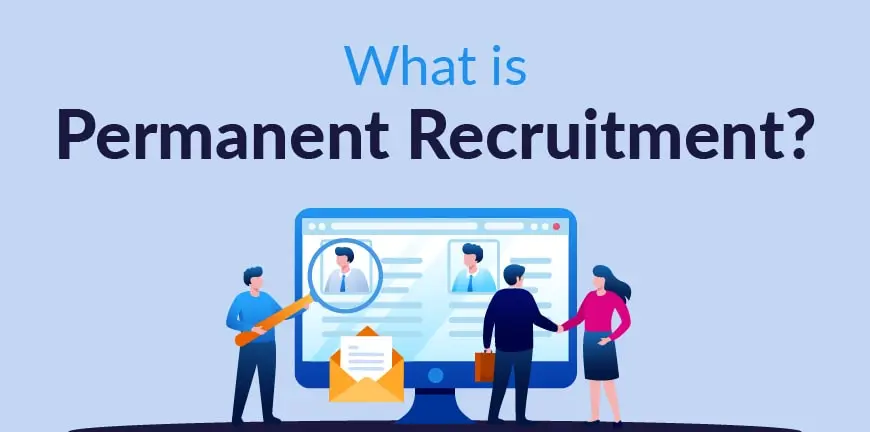
A company is only as good as its employees. Skilled, loyal employees are the cornerstone of any organization. But how do you attract and hire and make a good employee stay with the company for a longer tenure? To attract the best talent, it’s important to highlight the company’s initiatives that favour employees. This could include benefits, competitive compensation, and career growth opportunities.
Looking for a candidate for a full-time permanent role can get overwhelming. Recruiters must properly understand how to match the needs of a company as well as fulfil the individual’s aspirations while they recruit. This is what can make permanent recruitment a success.
Permanent Recruitment Definition
Permanent Recruitment is the recruiting of a skilled individual for a full-time permanent role in an organization. To recruit an individual permanently, a lot of thought and thorough assessments must be in place. The one you recruit for the permanent role will have a big impact on your company’s success trajectory.
Permanent recruitment solutions facilitate the growth of the organization as well as the permanent employee, as they have shared values, which is what brings them together.
How does the permanent recruitment process work?
1. Define job requirements
The first step is to know the exact requirements for the role. These could be the skills, qualifications, and experience required for the role. Its good to take the input of stakeholders regarding role requirements.
2. Sourcing candidates
The position is advertised through various channels like job boards, referrals, social media and professional networks to attract the most potential candidates.
3. Screening and shortlisting
Once the applications start pouring in, the most relevant resumes are reviewed, and phone interviews or video screenings are conducted. The candidates who pass these initial assessments are further shortlisted for the next round.
4. Interviews and assessment
The shortlisted candidates go through in-depth assessments as well as behavioral assessments to see how skilled they are and how well they apply skills to completing tasks. This also reveals if they are a good cultural fit for the organization.
5. Reference and background checks
The candidate’s qualifications and employment history are verified by contacting and talking to the references they provide.
6. Offer and Negotiation
The job offer is presented to the candidate. The terms of the job offer is negotiated. The salary, benefits, and other perks are discussed. Once both parties are happy with the contract terms and conditions, organizations must confirm the job acceptance of the candidate with a formal contract.
7. Onboarding
The new hire goes through the onboarding process. During this time, candidates are told about the company background, culture, roles, and responsibilities expected of their job role. They are provided with the resources and support required to start working in their new role.
What’s the difference between permanent and contract work?
What’s the difference between permanent and contract staffing?
Contract Staffing: Individuals are hired on a contract basis, for a short, specific period to work on either a project or to address seasonal peak demands. These workers do not get benefits, like insurance, PF, etc, that a permanent employee gets.
Permanent Hiring: Individuals are hired permanently, for full-time critical roles to add value to their organization as well as help realize their short-term and long-term goals. These professionals are provided with various benefits and perks like medical insurance, PF, paid leaves, etc.
1. Business Needs and Flexibility
Contract Staffing: When your organization requires a varied number of individuals or individuals with specific skills, depending on seasonal needs or project requirements, respectively, contract staffing is perfect. Hiring contract staff allows you to scale your workforce as per your needs.
Permanent Hiring: When an organization has an open role that is critical and important, they look to hire an individual with the exact right skills and experience who can add value to the role and can help achieve the long-term goals of the organization. There is less room for scaling the workforce in this model.
2. Cost Considerations
Contract Staffing: Contract workers are paid only for a specific duration for the amount of work they do in the company. This is very cost-efficient as organizations do not have to provide extra benefits etc, to contract workers.
Permanent Hiring: Hiring workers on a permanent basis may seem costly at first, as employees hired for full-time roles are eligible for various perks and benefits, but in the long run, their commitment towards the role and organization can be a benefit for the organization as well as the employee.
3. Skill Requirements
Contract Staffing: Contract staff require skills or expertise that are needed for a particular project. Contract staffing allows you to access a diverse pool of talent for short-term assignments.
Permanent Hiring: When hiring employees on a permanent basis for selecting candidates extensively can be a better fit for roles that require skills that are to be applied and developed.
4. Workforce Management
Contract Staffing: To manage contract workers, organizations do not have a lot of administrative burden, payroll, benefits, and compliance, as they are handled by the third-party agency.
Permanent Hiring: Hiring employees on a full-time basis can be a costly affair because a lot of money must be spent on various processes. Onboarding them, providing them with training sessions, benefits and perks, etc cost a lot.
5. Legal and Regulatory Compliance
Contract Staffing: Compliance must be taken care of when hiring staff. The same goes for hiring contract staff. There are different regulatory requirements and laws while hiring contract labour, and organizations must stay updated and follow them, and know about the responsibilities they share with the staffing agency.
Permanent Hiring: Permanent employees require strict adherence to labor laws, including compliance with minimum wages, working hours, and employee benefits.
6. Retention and Loyalty
Contract Staffing: Since contract staff are only hired for a limited period, they may not feel as committed to the organization as permanent employees. They know they leave after their contract ends, so its possible for them not to feel a connection.
Permanent Hiring: Employees hired for full-time roles understand they are in it for the long run. Along with having and working towards their own goals, they also develop a sense of accountability towards the organization as well.
7. Talent Availability
Contract Staffing: In today’s dynamic environment, individuals are far more interested in getting into contract roles as they feel a sense of freedom. Also, with extreme demand for special skills, individuals who possess those are also more responsive.
Permanent Hiring: Finding and securing top talent for permanent positions can be competitive and time-consuming.
What are the advantages of permanent recruitment?
Permanent recruitment offers diverse benefits to both organizations and employees alike. For job seekers looking for stability and security, and seeking career advancement, a full-time position is the best go-to solution. For organizations looking for employees to fill roles that require a long-term commitment, permanent recruitment is the way to go.
1. Stability and Continuity
Permanent employees are likely to stay committed to the organization, for a longer period, as they are looking for stability. This also provides stability and continuity in the workforce, working in favor of the organization.
Over a period, permanent employees get a better understanding of the organization’s culture, principles, and practices which leads to better decision-making and outcomes.
2. Cost efficient
While permanent recruitment does require organizations to spend their resources and time on the recruitment process, in the long term this is much more cost-effective, as you don’t have to hire employees frequently. Additionally, when you hire and train permanent employees, it yields better long-term returns as they can effectively contribute to the growth of the organization.
3. Career development
A permanent employee not only contributes to the productivity of the organization but also sees professional development allowing them to advance in their career paths and grow with and within the organization.
4. Upskilling of employees
Companies invest in training permanent employees as they are likely to stay for an extended period of time, which is beneficial for the business.
5. Security
Permanent employment offers job security, which is better for the employees in terms of having peace of mind and leads to higher employee morale and engagement. When people feel a sense of belonging, they tend to have more motivation and perform better.
6. Accountability
Permanent employees are committed long-term to the organization. Naturally, they feel a sense of accountability for their work and take responsibility for their outcomes.
7. Better Culture fit
Permanent recruitment allows businesses to hire candidates who not only have the skill set for the job but are also a good cultural fit. Such employees, whose goals and mindset align with the organization’s values and culture can create a positive environment enhancing overall productivity.
8. Continuity and workforce stability
Permanent employee can be groomed for leadership roles and other critical roles ensuring their continuity in their organization. This enables organizations to allocate resources better and allows succession planning, to better match the company’s goals.
What are the Trends in Permanent Recruitment in 2026
- AI integrations empower personalized candidate engagement, automate communication, offer data-driven insights, and predict ideal candidates, all while prioritizing data security and compliance.
- Make recruitment websites relevant and informative to be credible and attract potential talent
- Remote and hybrid work is given more importance, and to accommodate the same companies are incorporating digital collaborative technologies. Companies can use tests, real-life tasks, or project-based interviews to assess the skills of candidates.
- Retaining your best talent is not just a recruitment strategy but is a sign of a thriving culture.
- Agencies have been increasingly looking into hiring freelance talent to help with their various short-term and long-term projects.
- It is important to share your stories, values etc on social media platforms to help candidates get an idea of how it is to work with you.
- Having fair hiring practices is crucial to attracting candidates from diverse backgrounds and unique experiences.
Why Choose a Permanent Recruitment Agency?
Many employers choose to work with recruitment agencies because these services can speed up the hiring process and reduce recruitment costs. Recruitment agencies are especially beneficial for filling numerous positions in a short period of time and finding qualified candidates for those hard-to-fill roles.
First, recruitment agencies typically have a network of prospective candidates already in place. Secondly, they are experts in sourcing applicants and marketing to targeted candidate groups. Finally, recruitment agencies provide flexibility by helping companies to scale its workforce up or down as needed.
Alp Can be your preferred Recruitment Partner
If you are an organization considering partnering with a recruitment agency for permanent recruitment solutions, consider Alp Consulting as your trusted recruitment partner.
With an industry experience of over 26 years in the staffing and recruitment industry, we specialize in sourcing and attracting the right candidates for the right job roles in an organization across various sectors. In addition to our recruitment services, we offer comprehensive contract management services and bring unmatched knowledge and expertise to every client interaction.
A recruitment agency like Alp Consulting can help you achieve your goals, whether you are a business looking to fill a role with a specific skill set or an individual seeking a career change.
FAQs- Frequently Asked Questions
1. What is permanent recruitment?
Permanent Recruitment is the recruiting of a skilled individual for a full-time permanent role in an organization. To recruit an individual permanently, a lot of thought and thorough assessments must be in place. The one you recruit for the permanent role will have a big impact on your company’s success trajectory.
2. How does permanent recruitment differ from contract staffing?
Permanent recruitment is for long-term, ongoing roles with benefits like health insurance and paid leave, while contract staffing is for temporary, project-based needs, often without traditional employment benefits.
3. What are the benefits of permanent recruitment?
Permanent recruitment offers diverse benefits to both organizations and employees alike. For job seekers looking for stability and security, and seeking career advancement, a full-time position is the best go-to solution. For organizations looking for employees to fill roles that require a long-term commitment, permanent recruitment is the way to go.
4. What are the latest permanent recruitment trends in 2026?
Some of the trends in recruitment are using AI-powered tools to perform sourcing, screening, conducting interviews, and other tasks, data-driven recruitment, focus on hybrid and remote work models, DE&I initiatives, employee experience and employer branding, skill-based hiring, and technology in recruitment.
Contact Us For Business Enquiry

Amit Saproo
Amit Saproo is the Head of Operations at ALP Consulting with nearly 17 years of experience in Executive Search, RPO, Leadership, and IT & Engineering recruitment. He leads nationwide recruitment programs across Technology, BFSI, and R&D domains, driving strategic hiring solutions for diverse client needs. Amit excels in building and managing high-performance teams that deliver scalable, end-to-end recruitment and consulting services.