
A New Milestone for Software Offshore Development Center Collaboration.
12/03/2026
10 Key Challenges in Talent Acquisition Today
13/03/2026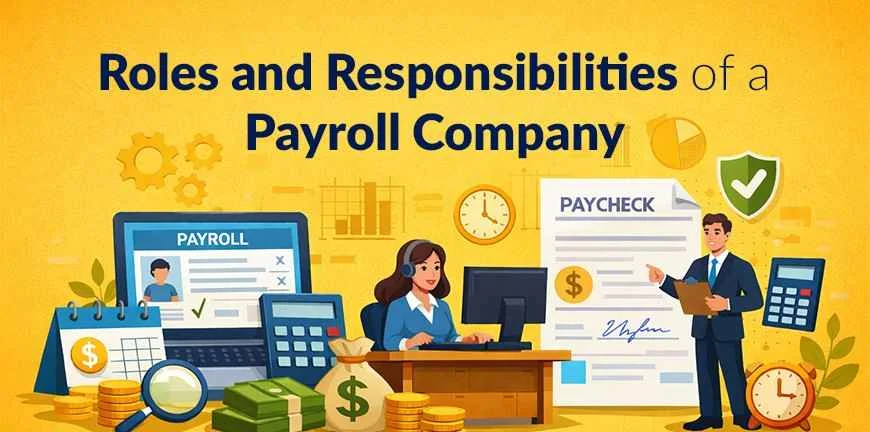
“When people are financially secure and paid correctly, they perform at their best.”- Indra Nooyi, Former Chairman and CEO of PepsiCo.
As economic growth seesaws in India due to geopolitics, Iran-Israel conflict, inflation, and other factors, businesses must do whatever is in their control to stay competitive both in the local and global markets. As per economists at the Bank of Baroda estimate that every 10% rise in oil prices can increase domestic inflation by 0.2% to 0.4%.
One of the key components that directly impacts business growth and employee experience simultaneously is payroll. However, relying only on the internal team to manage payroll effectively can backfire since they don many hats & exclusively handling payroll may not be practically possible. Also, this can overcook their schedules & decelerate their progress in other critical business operational areas.
To effectively manage payroll without making drastic changes to the in-house team structure & budget, partnering with an experienced payroll company is the best course of action. The benefits of payroll outsourcing far outweigh the financial & reputational impact due to non-compliance.
Before taking this step, businesses must understand the roles and responsibilities of a payroll company from end-to-end. This will help the leadership team to make informed decisions once they fully comprehend payroll processing responsibilities. Let’s take a deep dive and understand the duties of a payroll service provider from a 360-degree perspective.

What Is a Payroll Company?
A payroll company is a specialized service provider that takes care of employee salaries, tax calculations, statutory compliance, & payroll processing for businesses with minimal to zero supervision.
Example: A growing IT firm outsources payroll to a well-known company like Alp Consulting Ltd to manage salaries, taxes, PF filings, & compliance efficiently every month.
Here are 5 crucial functions of a Payroll Company
1. Salary Processing
Calculates employee wages, deductions, bonuses, & processes timely salary disbursements on a monthly or bi-monthly basis.
2. Statutory Compliance Management
Ensures compliance with tax laws, provident fund, ESI, & labour regulations.
3. Tax Calculation & Filing
Computes payroll taxes, manages deductions, & files required tax returns with military precision.
4. Payroll Reporting and Documentation
Generates payslips, payroll reports, & maintains accurate employee payroll records.
5. Employee Query Support
Tackles employee payroll queries related to salary, deductions, & benefits.
What Are the Core Roles of a Payroll Company?
The key payroll company roles include:
1. Payroll System Administration
One of the major payroll outsourcing roles is targeted towards payroll administration. The expert team must manage the payroll management system, configure compensation structures, automate workflows, & ensure seamless payroll data processing across departments.
2. Attendance & Leave Integration
The payroll outsourcing crew will couple attendance, shift schedules, & leave records with payroll to make sure wage calculations are accurate.
3. Benefits and Compensation Management
The payroll outsourcing company must administer employee benefits, reimbursements, incentives, & allowances while orienting compensation structures with company policies.
4. Payroll Audit and Risk Management
The payroll outsourcing pandits will schedule and run regular payroll audits, identify discrepancies, &mitigate financial or compliance risks in payroll operations.
5. Multi-location Payroll Coordination
The outsourcing specialists will manage payroll operations across multiple locations, ensuring region-specific policies, wages, & regulatory requirements are achieved without much deviation.
6. HR and Finance Coordination
The payroll SPOC will strike up a smooth collaboration with HR & finance teams daily to match payroll operations with budgeting, workforce planning, & reporting.

What Are the Key Responsibilities of a Payroll Company Toward Employers?
Here are 5 major payroll company responsibilities towards the employer:
1. Ensuring Accurate Payroll Processing
Ensure precise employee wages, bonuses, deduction calculations, & remit the final salary to the employee’s bank account without payroll discrepancies.
2. Maintaining Statutory and Tax Compliance
Ensure the employer achieves compliance of the highest order with labour laws, statutory filings, tax regulations, & government payroll reporting requirements.
3. Reducing Administrative Workload
Handle payroll administration, documentation, & processing tasks like a pro, allowing employers to focus on strategic business priorities.
4. Providing Useful Payroll Insights & Reports
Build detailed payroll analytics, cost reports, & financial insights to make employer budgeting & workforce planning more targeted.
5. Securing Payroll Data & Confidentiality
Protect payroll information (both official & personal) from imminent cyber criminals using secure systems, ensuring confidentiality, data accuracy, & regulatory data protection compliance.
What Are the Responsibilities of a Payroll Company Toward Employees?
Here are 5 key payroll processing responsibilities towards employees:
1. Delivering Clear Payroll Communication
Offer a lucid account of salary structures, deductions, benefits, & payroll-related policy updates to employees in layman’s tone.
2. Employee Payroll Data Tracking & Management
Keep updating payroll records in real-time, including compensation history, tax declarations, & benefit contributions for all enrolled employees.
3. Supporting Employee Tax Declarations and Proof Submissions
Assist employees in real-time, either in-office or virtually, with tax declarations, investment proof submissions, & year-end tax documentation requirements.
4. Benefit Enrolment and Claims Processing Support
Provide prompt assistance to employees in registering for benefits, claiming reimbursement, & keeping tabs on eligible CTC components.
5. Transparent Payroll Corrections & Adjustments
Take care of payroll discrepancies as and when they arise & bring subtle adjustments to maintain employee trust & payroll accuracy.

What are the Top 5 Benefits of Payroll Outsourcing?
1. Payroll Accuracy Boost
One of the key payroll company roles is to ensure precise payment calculations. This quality is key in reducing errors in salaries, deductions, & taxes.
2. Enhanced Compliance Management
A payroll service provider with a proactive mindset helps in maintaining sync with evolving labour laws, tax regulations, & statutory requirements.
3. Operational Efficiency
A payroll firm with considerable expertise streamlines payroll processes, saving time & improving overall HR productivity.
4. Scalable Payroll Solutions
One of the key payroll company responsibilities is to support workforce expansion with flexible payroll systems for growing businesses.
5. Advanced Payroll Technology Access
A top payroll service provider offers a modern payroll management system, automation tools, & secure payroll data management.
What Are the Additional Services Provided by Payroll Companies?
The roles and responsibilities of a payroll agency may not be limited to just seamless A-Z payroll execution. Here are 5 services typically served as an add-on by a reputable payroll outsourcing company:
1. HR and Workforce Administration Support
Payroll company roles may also include providing HR administrative support, including employee onboarding documentation, record management, & workforce data organisation.
2. Contractor and Gig Workforce Payroll Management
Additional payroll company responsibilities may include managing payroll processing for contractors, freelancers, & gig workers with compliant payment structures.
3. Background Verification Coordination
Duties of a payroll service provider may include coordinating employee background verification processes. These services ensure accurate hiring decisions & workforce reliability.
4. Leave, Attendance, and Shift Management
Additional functions of a payroll company may involve integrating leave management, attendance tracking, & shift scheduling systems with payroll for accurate compensation.
5. Payroll Transition and Implementation Services
Payroll outsourcing roles might extend to assist companies in payroll migration, implementing new platforms, & making sure seamless payroll transition processes.

How Is a Payroll Company Different from a Payroll Software Provider?
| Aspect | Payroll Company | Payroll Software Provider |
| Service Model | Provides fully managed payroll services handled by experienced payroll professionals. | Offers payroll software tools that companies use to process payroll independently. |
| Compliance Management | Manages statutory compliance, tax remittance, & regulatory code updates for clients. | Provides compliance features, but internal teams must take care of filings. |
| Operational Responsibility | Takes complete responsibility for payroll operations, accuracy, & reporting. | Businesses remain responsible for operating the payroll system. |
| Support and Expertise | Offers expert payroll consultation, issue resolution, & compliance guidance. | Provides technical support mainly related to software usage. |
| Workload for HR Teams | Significantly reduces HR workload by outsourcing payroll activities. | Requires HR teams to run payroll processes using the software. |
How Does a Payroll Company Ensure Statutory Compliance?
One of the non-negotiable roles and responsibilities of a payroll company is to make sure statutory compliance is attained within a reasonable timeline. Here are 5 steps exercised by payroll outsourcing firms to help employers reach the milestone of 100% statutory compliance:
1. Monitor Regulatory Updates
Track changes & amendments in labour laws, tax rules, & compliance like a hawk.
2. Automating Statutory Calculations
Use a well-rounded payroll management system to automate PF, ESI, TDS, & deductions.
3. Timely Statutory Filings
Ensure accurate & timely filing of statutory returns and reports.
4. Maintaining Compliance Documentation
Maintain employee records, payroll registers, & statutory documentation to ace audits with flying colours.
5. Conducting Regular Compliance Reviews
Perform periodic audits like clockwork to identify compliance gaps & prevent penalties.
What Are the Risks of Not Hiring a Professional Payroll Company?
Here are 5 risks associated with not hiring a reliable payroll outsourcing service provider:
1. Compliance Violations
Failure to follow labour laws & tax regulations may lead to penalties.
2. Payroll Calculation Errors
Manual payroll mistakes can cause incorrect salaries, deductions, & disputes.
3. Delayed Salary Disbursement
Inefficient payroll processes may lead to salary delays, affecting employee morale.
4. Increased Administrative Burden
Internal teams spend excessive time managing payroll instead of strategic business tasks.
5. Data Security Vulnerabilities
Poor payroll systems risk employee financial data breaches & confidentiality issues.

How to Choose the Right Payroll Outsourcing Company?
1. Evaluate Industry Experience
Choose a provider with proven payroll expertise & testimonials across industries & workforce sizes.
2. Check Compliance Knowledge
Ensure a strong acumen of labour laws, tax regulations, & statutory requirements.
3. Assess Technology Capabilities
Verify the capabilities of the payroll management system, automation features, & security arrangements.
4. Review Service Flexibility
Select a company that is capable of scaling payroll services at will, which can accelerate business growth.
5. Examine Client Support Quality
Confirm responsive support teams handling payroll issues, queries, and service requests.
Key Payroll Industry Trends Transforming Businesses in 2026
1. On-Demand & Flexible Pay Models
Companies are going on a limb to harness EWA (earned wage access systems), enabling employees to withdraw earned wages on demand instead of waiting for the monthly payroll cycle.
2. Hyper-Automation in Payroll Operations
Payroll processing responsibilities are made easier to tackle due to the integration of automation, workflow orchestration, & digital tools, resulting in minimized manual intervention & errors.
3. Cross-Border Payroll Standardisation
Businesses are standardising global payroll frameworks to manoeuvre compliance, taxation, & payments across multiple countries.
4. Employee Financial Wellness Integration
Payroll systems are leaving no stone unturned in blending financial wellness programs, budgeting tools, & benefit administration, resulting in enhanced employee experience.
5. Real-Time Payroll Compliance Monitoring
Advanced payroll management systems track regulatory changes in a jiffy, helping organisations remain compliant even if a minor amendment is added to the 4 labour codes.
Conclusion
Properly defining the roles and responsibilities of a payroll company can help businesses maximise employee experience and increase brand reputation. Based on the detailed analysis of payroll company responsibilities, we can clearly say that payroll is an expert job & an in-house team may not be in a position to carry out payroll operations along with other tasks with 100 % accuracy.
The benefits of payroll outsourcing far outshine the costs of non-compliance. As a result, employers are most likely to hand over payroll processing responsibilities to a reliable service provider sooner rather than later.
Partner with Alp Consulting Ltd to simplify payroll management, attain 100% statutory compliance, & build a smooth payroll ecosystem for your business.
Key Takeaways
- Understanding the roles and responsibilities of a payroll company helps businesses ensure accurate payroll operations.
- Payroll outsourcing improves compliance & efficiency and also reduces administrative workload for businesses.
- Professional payroll companies manage salaries, taxes, reporting, & employee payroll queries with expert execution.
- Advanced payroll processing systems & automation boost transparency, reporting accuracy, & employee satisfaction.
- Partnering with experts like Alp Consulting ensures compliant, scalable, & reliable payroll operations.
Contact Us For Business Enquiry
Frequently Asked Questions
1. What does a payroll company do?
A payroll company manages employee salaries, tax deductions, statutory compliance, reporting, & payroll processing for businesses.
2. What are the responsibilities of a payroll company?
Payroll company responsibilities include salary processing, tax filings, statutory compliance, payroll reporting, employee query handling, & payroll accuracy.
3. Is hiring a payroll company necessary?
Hiring a payroll company improves accuracy, ensures compliance, reduces workload, & streamlines payroll management processes.
4. How does a payroll company ensure compliance?
A payroll outsourcing company tracks regulatory changes, automates statutory deductions, maintains records, and ensures timely filings with authorities.
5. What is the difference between payroll outsourcing and payroll software?
Payroll outsourcing provides expert-managed services, while payroll software offers tools companies use to manage payroll internally.
6. How much does a payroll company charge?
Payroll companies typically charge per employee monthly fees depending on services, compliance scope, & workforce size.

Yugandhara V. M
Yugandhara V. M serves as the Assistant Vice President – HRO at Alp Consulting Ltd., bringing over 14 years of rich experience in Human Resource Outsourcing, payroll management, and statutory compliance. He specializes in driving process excellence across HR operations, ensuring seamless service delivery and compliance with labor laws. Yugandhara’s expertise lies in managing large-scale client engagements, optimizing HR processes, and implementing efficient workforce management systems that enhance organizational performance. He also leads comprehensive payroll services, ensuring accuracy, timeliness, and compliance for diverse client portfolios.