
What is Attendance Management?
07/04/2026What is Direct Sourcing?
07/04/2026“New Wage Code shifts focus from take-home salary to long-term financial security.”
The New Wage Code 2026 has turned out to be a game-changer in the way payroll is going to be processed from here on. The main reason for these reforms is to simplify compliance, bring long-term financial stability to employees, remove gender disparity in pay, and many more.
However, companies must tweak their existing payroll processes to ensure the wage code salary impact is minimal on business growth and employee experience. Let’s delve deep and understand the true impact of New Wage Code 2026 on payroll processing in India & how employers can tackle it effectively.
What is the New Wage Code 2026?
The New Wage Code 2026 refers to India’s updated framework under the Code on Wages, aimed at standardising wage definitions & ensuring fair compensation across sectors. The wage code salary impact will affect the CTC structure design, particularly in terms of benefits and deductions. Additionally, the New Wage Code 2026 brings forth a uniform definition of wages, which in turn impacts salary structures (e.g: basic salary rule 50 percent wage code), PF, & gratuity calculations.
The salary structure under the new wage code in India also strengthens minimum wage provisions, ensures timely payments, & eliminates gender disparity in pay. By stacking multiple wage laws under one umbrella, it reduces compliance efforts while boosting transparency & employee protection.

The key highlights of the New Wage Code 2026 include:
- Uniform wage definition standardizes salary breakup as per the new wage code, impacting PF and gratuity.
- Minimum wages extended to all employees across sectors and industries.
- Timely salary credits are non-negotiable with strict penalties for non-compliance.
- Gender bias in pay is abolished, ensuring equal salary for the same work.
- Achieving compliance is made simpler by consolidating multiple wage laws into one code.
What are the Key Changes Introduced in the New Wage Code?
Here are the key changes creating wage code salary impact, affecting both employees and employers.
| Aspect | Earlier Framework | New Wage Code (2026) |
| Wage Definition | No fixed percentage for basic pay; allowances could exceed 60–70% | Basic pay must be ≥ 50% of total remuneration |
| Minimum Wages Coverage | Applied to around 40–50% workforce (scheduled employees only) | Covers 100% of employees across all sectors |
| Salary structure under the New Wage Code India | Basic pay is often 30–40% of CTC | Basic pay is mandated at a minimum 50% of CTC |
| Payment Timelines | Varying timelines (7–30 days depending on law and workforce size) | Fixed timelines: monthly wages by the 7th; weekly/daily as per cycle |
| Bonus Eligibility | Threshold at Rs. 21,000/month salary | Retained to Rs. 21,000 thresholds with broader structured applicability |
| Gender Pay Gap Handling | No strict numeric enforcement: compliance varied | Enforces 0% gender-based wage discrimination for the same work |
| Number of Laws | 4 major wage-related laws | Consolidated into 1 single code |
| Compliance Filings | Multiple filings (5–10 returns across laws) | Reduced filings with a unified compliance framework |
What is the Wage Code Impact on Take-Home Salary?

1. Higher PF Contributions
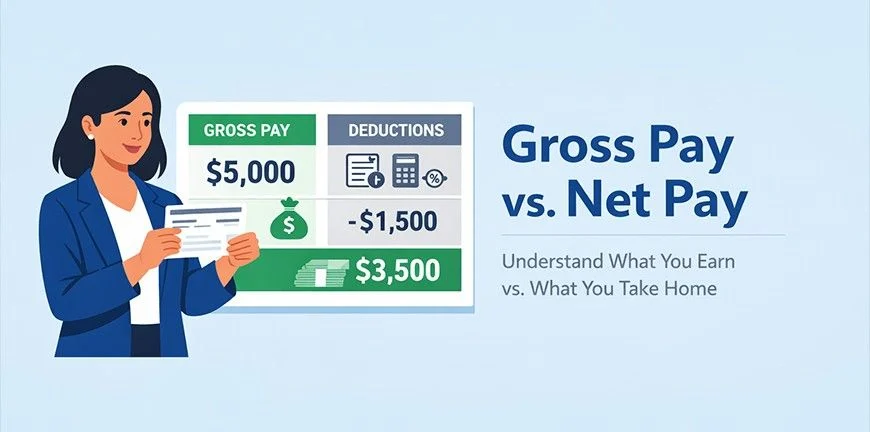
Higher basic pay increases PF contributions, leading to a reduced immediate take-home salary for employees.
2. Increased Gratuity Allocation
Greater allocation towards gratuity lowers the monthly in-hand salary but enhances long-term financial security.
3. Reduced Allowances Flexibility
Basic salary rule 50 percent wage code reduces allowances, limiting flexibility in structuring tax-efficient salary components.
4. Higher Statutory Deductions
Increased statutory deductions slightly reduce net salary while strengthening employee social security benefits.
5. Limited Tax-Saving Components
Standardised salary breakup as per the new wage code restricts tax-saving components, potentially decreasing overall take-home income.
How does the New Wage Code Affect Payroll Processing?
Here are 5 ways the salary structure under new wage code in India will affect payroll processing:
1. Standardised Wage Calculations
Uniform wage definition eases payroll calculations, making sure consistency is maintained across salary components & statutory deductions.
2. Increased Compliance Requirements
Payroll teams must align processes with updated rules, which are increasing focus on statutory compliance & reporting accuracy.
3. Revised Salary Structures
Mandatory basic salary rule 50 percent wage code requires restructuring salary components within payroll systems and policies.
4. Automated Deduction Adjustments
Higher PF and gratuity contributions require payroll systems to automatically recalculate deductions accurately each cycle.
5. Streamlined Payroll Processes
Unified payment and allowances under the new wage code in India reduce complexity, enabling smoother payroll execution with fewer legal overlaps and discrepancies.
What is the Wage Code Salary Impact on Employers and Employees?

Wage Code Impact- Employees
- Higher basic pay increases PF deductions, reducing the immediate take-home.
- Enhanced gratuity benefits improve long-term financial security for employees.
- Reduced allowances limit flexibility in structuring tax-efficient salary components.
- Standardised wages ensure fair and transparent salary structures across industries.
- Better compliance safeguards employee rights & ensures timely salary payments.
Wage Code Impact- Employers
- Increased payroll costs due to higher PF and gratuity contributions.
- Salary restructuring is required to comply with the basic salary rule 50 percent wage code law.
- Simplified compliance reduces administrative burden and legal complexities overall.
- Payroll systems need upgrades to handle revised wage calculations.
- Improved transparency strengthens employer branding and employee trust significantly.
How do Allowances and Basic Salary Change in the New Wage Code 2026?
| Component | Earlier Structure | New Wage Code (2026) |
| Basic Salary | Typically, 30–40% of the total CTC | Must be at least 50% of the total remuneration |
| Allowances Under the New Wage Code in India | Could form 60–70% of the salary structure | Capped at 50% of total remuneration |
| HRA & Special Allowances | Used extensively to optimise tax and reduce basic pay | Reduced flexibility due to wage definition standardisation |
| PF Contribution Base | Calculated on a lower basic salary | Higher due to increased basic pay |
| Gratuity Calculation | Lower due to a smaller basic salary | Higher gratuity is linked to increased basic pay |
| Salary Structuring | Highly flexible with multiple allowance components | Restricted flexibility to maintain a 50:50 wage structure |
| Compliance Focus | Less strict enforcement of salary composition | Strict adherence is required for wage composition norms |
What Challenges Will Businesses Face with the New Wage Code?

1. Salary Restructuring Challenges
Restructuring salary components to meet the basic salary rule 50 percent wage code, may disrupt existing compensation frameworks significantly.
2. Increased Payroll Costs
Higher PF & gratuity contributions increase payroll expenses, impacting overall business profitability margins.
3. Payroll System Upgrades
Updating payroll systems and HR policies for compliance requires significant time and resource investment.
4. Employee Communication Issues
Managing wage code impact on take-home salary from the employee perspective requires clear communication of long-term benefits.
5. Compliance Complexity
Ensuring accurate compliance across locations and employee categories increases overall operational complexity for businesses.
How Should Companies Prepare for the New Wage Code?

1. Salary Structure Review
Review and restructure salary components to align with the 50 percent basic pay requirement effectively.
2. Payroll System Upgrade
Upgrade payroll systems to ensure accurate calculations of allowances under the new wage code in India, along with PF, gratuity, & statutory deductions.
3. Compliance Audit
Conduct compliance audits to identify gaps & ensure salary breakup as per the new wage code.
4. HR and Payroll Training
Train HR and payroll teams on updated rules (e.g., basic salary rule 50 percent wage code), processes, and reporting requirements thoroughly.
5. Employee Communication
Communicate changes in salary structure under the new wage code in India clearly to employees, addressing concerns about take-home salary & benefits.
How Alp Consulting Will Help Businesses Implement New Wage Codes?
Alp Consulting, a pro payroll service provider with 30 years of expertise, helps businesses deploy the New Wage Code with minimum fuss through expert payroll restructuring, compliance audits, & system upgrades with minimal operational disruptions. Their seasoned payroll team ensures accurate statutory calculations, policy alignment, & risk mitigation.

By offering A-Z support, including employee communication & process optimisation, Alp Consulting empowers organisations to reduce wage code salary impact, stay compliant, bring down errors to zero, & transition smoothly to the new wage framework.
Key Takeaways
- New Wage Code 2026 standardises wage definitions, impacting salary structures and compliance.
- Basic salary must be 50 percent, increasing PF & gratuity contributions.
- Take-home salary may be reduced due to higher statutory deductions and benefits.
- Payroll processes become streamlined with unified laws & improved compliance requirements.
- Businesses must restructure salaries, upgrade systems, & ensure smooth employee communication.
Contact Us For Business Enquiry
Frequently Asked Questions
1. What is the New Wage Code 2026?
India’s Unified Wage Code 2026 standardises salary definitions, improves compliance, and ensures fair employee compensation.
2. How will the wage code impact salary structure?
Salary breakup as per the new wage code mandates 50 percent basic pay, reducing allowances, and restructuring overall salary composition across organisations.
3. What changes will happen to basic salary?
As per the New Wage Code 2026, basic salary must be at least 50 percent of total remuneration.
4. What is the wage code’s impact on take-home salary?
Higher deductions like PF and gratuity reduce immediate take-home salary but will improve long-term benefits.
5. What is the impact on PF and gratuity on the New Wage Code 2026?
PF and gratuity contributions increase as they are calculated on higher basic salary components under the New Wage Code 2026.

Yugandhara V. M
Yugandhara V. M serves as the Assistant Vice President – HRO at Alp Consulting Ltd., bringing over 14 years of rich experience in Human Resource Outsourcing, payroll management, and statutory compliance. He specializes in driving process excellence across HR operations, ensuring seamless service delivery and compliance with labor laws. Yugandhara’s expertise lies in managing large-scale client engagements, optimizing HR processes, and implementing efficient workforce management systems that enhance organizational performance. He also leads comprehensive payroll services, ensuring accuracy, timeliness, and compliance for diverse client portfolios.