The Ultimate Indian Payroll Compliance Checklist 2026
14/01/2026
Labour Law Compliance Checklist for 2026
23/01/2026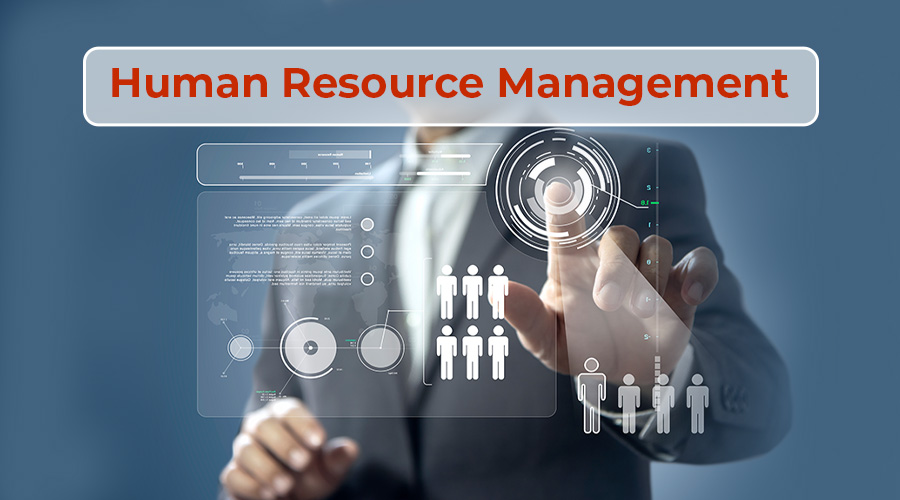
Clients do not come first. Employees come first. If you take care of your employees, they will take care of the clients.” – Richard Branson, Founder, Virgin Group.
Can you completely automate human resource management and achieve unprecedented success? Or can AI replace an HR manager and handle people more effectively?
The short answer to this is no. Technology and Tools act as a support system to help the HR team manage employees more effectively, rather than the other way around. Are you wondering why we are giving so much impetus to Human Resource Management instead of discussing tips to run a successful business? Here’s the catch: HRM’s success directly impacts the company’s overall growth and prospects.
Let’s answer all the questions and concerns related to Human Resource Management once in for all through this expert guide equipped with the latest information and insights necessary to grow businesses in 2026. Get, set, go!
What is Human Resource Management?
Organizations first used the formal term “Human Resource Management” in the early 1900s, gaining popularity during the 1960s. Eventually, people started to be seen as valuable assets rather than just labour inputs.
What is the Definition and Full Form of HRM?
Human Resource Management (HRM) helps organizations gain a competitive advantage through strategic and coherent people management. Human Resource Management describes a specialized organizational function that handles how people are hired, developed, motivated & retained.
Organizations use HRM to recruit, hire, deploy, and manage their employees. Also, it coordinates human capital to achieve organizational goals while ensuring employee welfare. This dual focus creates systems that benefit both the organization and its workforce.
HRM departments create, implement, and oversee policies about workers and organizational relationships. However, these policies go beyond simple administration to include strategic initiatives shaping organizational culture.
What is the Meaning of HRM in Modern Organizations?
Modern HRM has exceeded its traditional administrative role to become a strategic business partner. Today’s human resource management treats employees as assets or “human capital”. Moreover, this view focuses on using employees effectively while reducing risk and maximizing return on investment.
Today’s HR departments oversee:
- Employee benefits design
- Recruitment and selection
- Training and development
- Performance appraisal
- Reward management systems
- Workplace culture development
- Employee relations and engagement
Modern HRM departments want to create highly skilled workforces and boost employee confidence and competence. This approach shows that supporting employees’ needs improves job satisfaction and leads to greater success for everyone involved.
Technology has expanded HRM’s reach even further. Human resource management systems (HRMS) now streamline various HR processes. Additionally, HR professionals can focus on strategic initiatives and enhance employee experience. These systems handle recruitment, workplace benefits, payroll, and advanced features like talent management and analytics.
What is the Difference between HRM and Personnel Management?
Human resource management is very different from traditional personnel management, though people sometimes use these terms interchangeably. Technology improved communication and access to employee information, which created the main difference between these approaches.
| Aspect | Personnel Management | Human Resource Management |
| Approach | Treats workers as tools or machines | Treats workers as valuable assets |
| Focus | Administrative tasks and legal compliance | Strategic planning and employee development |
| Nature | Reactive to immediate needs | Proactive with future planning |
| Employee Relations | Based on rules and contracts | Based on teamwork and culture building |
| Decision Making | Limited employee involvement | Encourages employee participation |
| Scope | Narrower focus on administrative functions | Broader integration with business strategy |
Personnel management focuses on administrative functions like payroll and compliance. On the other hand, HRM takes an all-encompassing approach that connects these functions with business strategy. Moreover, Personnel management employees work for pay, while HRM prioritizes job satisfaction and employee well-being.
HRM has built upon personnel management by creating a more strategic, people-centred approach to workforce management. This development has made HRM crucial to organizational success in today’s competitive business environment.
Why Human Resource Management Matters?
“The value of a business is a function of how well the financial capital and intellectual capital are managed by human capital. You’d better get the human capital part right.” — Dave Bookbinder, Valuation expert, author.
Modern businesses need effective people management to succeed. Human resource management plays a bigger role than just handling paperwork. Also, it affects a company’s profits and competitive edge.
What are the Objectives of Human Resource Management?
HRM aims to keep operations running smoothly while supporting company goals and employee well-being. HRM objectives fall into four main categories:
1. Organizational objectives
Organizational objectives help companies use their talent to reach business targets like growth, profits, and market expansion. HRM ensures companies have talented individuals with the right skills by aligning HR strategies with company goals.
2. Functional objectives
Functional objectives create systems that help departments work together. This includes building efficient team structures and setting up performance reviews that work.
3. Societal objectives
Societal objectives look after a company’s ethical duties to its community. HRM makes sure companies follow labor laws and promote ethical practices at work.
4. Personal objectives
Personal objectives focus on meeting employee needs—from fair pay and job satisfaction to career growth and work-life balance. Employee motivation and efficiency grow naturally when personal goals match company objectives.
What is the Importance of Human Resource Management?
Studies show companies with strong HRM practices keep 40% more employees and see 30% more breakthroughs. This explains how smart people management gives organizations an edge over competitors.
- HRM connects employee needs with company goals. Companies perform 1.5 times better than their competitors when these connections work well.
- Good HRM protects companies from legal troubles through proper compliance. Breaking labour laws can get pricey with lawsuits, fines, and reputation damage.
- Companies with flexible HRM strategies can adapt quickly to market changes. This matters because industries change faster than ever before.
- Cost control is another key benefit. Labor costs often make up 70% of what companies spend. Additionally, smart HRM helps companies stay profitable through careful workforce planning and competitive pay.
Read the full blog: Importance of HRM.
How does HRM Support Company Culture and Employee Satisfaction?
HRM and company culture work together, each shaping the other. This partnership creates remarkable results when done right.
HR teams help define and share a company’s core values. This shapes how employees behave and creates shared goals that give work more meaning.
HR departments create programs to promote employee well-being. These include:
- Wellness programs for physical and mental health.
- Training and development opportunities.
- Systems to recognize employee contributions.
- Ways to solve conflicts that match company values.
These efforts boost employee participation, which is associated with happy customers. Companies with highly engaged workers see 10% higher customer loyalty and satisfaction.
Strategic human resource management helps create what employees want most: meaningful work. When employees find purpose in their work, they participate more in the company’s success. This approach leads to better engagement, loyalty, and performance, which drives lasting business results.
What are the Core Functions of HRM?
“The goal of human resource management is to turn raw talent into organizational strength.” — Adele B. Lynn, Author and leadership consultant.
HR operations rest on six core functions that boost organizational success. These functions are vital elements in human resource management. They work together to create a productive and positive workplace.
1. Recruitment and Selection
Finding the right people is the foundation of human resource management. HR professionals work with department heads to understand needed skills before they start looking for talent. Also, companies with great hiring practices get 50% more qualified applicants.
The process starts with attracting qualified candidates and then picking the best person for the role. Additionally, HR teams want to find talent that fits both company goals and culture. Making the wrong hire can affect business results badly – it’s like trying to fit a square peg into a round hole.
2. Training and Development
Training and development help employees learn skills they’ll need as the company grows. The Association for Talent Development found that companies spending more on training report 218% more income per employee and 24% higher profit margins.
Training does more than boost finances. We focus on making employees more productive, improving service quality, keeping good people around, and cutting down on costly mistakes. Moreover, HR teams guide, watch progress, collect feedback, and create better learning activities that match how different employees learn best.
3. Performance Management
Performance management creates an ongoing dialogue between managers and their teams to reach strategic goals. The system needs clear expectations, set objectives, defined goals, regular feedback, and results reviews.
Good performance management makes sure employees know their roles and get the support they need. Companies that use these programs well are:
- 5 times more likely to outperform competitors financially.
- 25 times more likely to see productivity increases.
The performance cycle has four parts: planning what’s expected, tracking progress, building skills, and evaluating results.
4. Compensation and Benefits
Pay and benefits make up to 70% of what companies spend. HR teams must create packages that keep employees happy while watching the bottom line.
Compensation means direct money, like salaries and bonuses. Also, benefits are the extras with monetary value, such as health insurance or flexible hours. Job seekers rank overall compensation as their top priority when taking new jobs.
5. Employee Relations and Engagement
Employee engagement shows how emotionally connected and committed people are to their work. This connection affects company results directly. Highly engaged teams show higher customer loyalty, higher profitability, and higher sales productivity. Also, these teams have less absenteeism, lower turnover rates, and fewer safety incidents. Building this engagement needs five key things: purpose, chances to grow, caring managers, regular talks, and focus on strengths.
6. Health, Safety, and Compliance
Safety and health programs aim to stop workplace injuries, illnesses, and deaths. These events hurt workers, families, and employers financially. HR teams build strong policies, check for risks, put safety measures in place, and train people properly.
Additionally, HR keeps detailed records of safety training, checks, and incidents. Taking care of workplace safety ahead of time pays off through lower workers’ comp premiums, better rule-following, higher productivity, and stronger employee engagement.
These six connected functions help HR teams play their strategic role. They support both employee well-being and business goals.
What are the Roles and Skills of HR Professionals?
HR practitioners’ capabilities largely determine successful human resource management. The business world keeps changing, and HR professionals must grow beyond their traditional admin roles to add strategic value.
3 Key HR Roles
HR departments typically organize around three different but complementary roles that work together to manage people effectively:
1. HR Generalists
HR Generalists act as versatile backbone professionals who handle many day-to-day responsibilities. These professionals manage the complete employee lifecycle, from recruitment and onboarding to conflict resolution and policy implementation. Also, they execute HR practices and support employees at all levels of the organization.
2. HR Specialists
HR Specialists build deep expertise in specific HR areas such as recruitment, compensation, learning, and development. Their specialized knowledge helps organizations implement sophisticated people practices in particular areas.
3. HR Business Partners (HRBPs)
HR Business Partners (HRBPs) serve as strategic liaisons between HR and business units. These senior professionals work closely with business leaders to spot people priorities, create people plans, and implement organization-wide people approaches. Unlike generalists who focus on operations, HRBPs make sure HR strategies support business goals. They build meaningful relationships with the core team and use data to make decisions and drive change.
7 Essential skills for HR managers
Successful HR professionals need various skills that blend technical expertise with people skills:
1. Communication
Communication tops the list of most requested skills in HR job postings. Additionally, HR professionals must clearly share information with everyone, from frontline employees to C-suite executives.
2. Empathy
Empathy plays a vital role when handling employee concerns about workload, compensation issues, or conflicts between people. Strong people skills help HR professionals see situations from employees’ viewpoints before making decisions.
3. Business acumen
Business acumen helps HR professionals understand their organization’s financial health, market trends, and competitive environment. This knowledge leads to HR decisions that support strategic goals.
4. Decision-making
Decision-making is significant during hiring processes and company restructuring. Finding the right talent needs intuition, experience, and strategy.
5. Technicalproficiency
Technical proficiency with HR Information Systems (HRIS) and people analytics tools has become essential. About 80% of small US businesses already use HR software or plan to implement it soon, making tech skills necessary.
6. Organizational skills
Organizational skills let HR professionals handle multiple tasks at once. From reviewing resumes to creating training programs, HR practitioners must set the right priorities.
7. Trustworthiness
Trustworthiness remains essential as HR professionals regularly handle sensitive company data and personal information. Strong ethics protect this information and maintain the organization’s integrity.
What is Strategic Thinking and Communication in HR?
Modern HR professionals must develop strategic capabilities beyond operational skills to maximize their impact:
1. Strategic thinking
Strategic thinking helps HR practitioners find ways for organizations to gain competitive advantages through their people. Additionally, they need to understand each department’s strategic needs and match talent strategies to these needs.
2. Data literacy
Data literacy has become crucial, with 92% of HR professionals planning to use people analytics to drive HR strategy. Modern HR practitioners must know how to turn data into clear, compelling stories for different stakeholders.
3. Credibility
Credibility as trusted advisors grows through effective communication and interactions that boost practitioners’ reputation. Also, this credibility helps HR professionals shape decision-making at all organizational levels.
4. Coaching skills
Coaching skills help HR practitioners develop employees and guide them to realize their full potential. These skills prove valuable during training, onboarding, conflict resolution, and when helping managers with people issues.
The workplace keeps changing, especially with AI becoming common in many organizations. However, HR professionals who adapt and build these skills will stay valuable strategic partners in their organization’s success.
Technology and Tools in HRM
Technology has transformed how organizations manage their workforce. Companies are looking for quicker ways to handle their people processes as the digital development of human resource management speeds up.
What is HRMS?
An HRMS (Human Resource Management System) is a suite of software applications that manages and automates core HR processes throughout the employee lifecycle. Also, this digital ecosystem stores employee data centrally, makes administrative tasks easier, and offers detailed talent management capabilities.
People often use the terms HRMS, HRIS (Human Resource Information System), and HCM (Human Capital Management) interchangeably, but there are subtle differences. HRIS started with employee record management, while HRMS grew to cover broader functions, including qualitative and complex talent management processes. Today, HCM means the same thing as HRMS and has HRIS software capabilities.
Key HRMS features typically have:
- Employee data management and self-service.
- Payroll and benefits administration.
- Recruitment and onboarding.
- Performance management.
- Learning and development.
- Compliance and reporting.
- Analytics and insights.
What Are the Objectives of HRMS?
Before we look at the functions and benefits of a human resource management system (HRMS) in more detail, we need to understand what HRM is and what its objectives are. Human Resources Management, or HRM, is the process of managing the human resources in a company, including recruiting, training, and engaging them, with the help of an HR team and management, with or without the use of an HRMS.
The main objectives of HRM are to increase employee engagement and retention, to create a positive work culture, a diverse and inclusive workplace, and integration within a team, and to always ensure compliance with labour laws, be it regarding gender equity or appropriate tax deductions, among other things.
What Is the Importance of HRMS?
The automation of HR functions and the other benefits, such as improved employee engagement and retention, better payroll and performance management, all lead to increasing the benefits of an HRMS and making it very important in an organization.
It is used by decision-makers too when they want to take beneficial actions for the business, based on insights. Many new HRMS are also customizable and provide employee self-service portals, both of which add to their utility and make them indispensable for HR teams, especially in large organizations.
What Are the Functions and Benefits of an HRMS?
1. Employee self-service
Employees can access the HRMS by themselves to manage their leaves, generate payslips for salary and view reimbursements, view and download HR policy documents, etc.
2. Easy dashboard to gain insights from data analytics
The HRMS allows both employees and the HR team to gain insights from data across several KPIs, to ensure that goals are being met and to take remedial measures, if necessary.
3. Automating and streamlining HR processes
HR processes such as management of leaves and compensations due are better managed through an HRMS. An HRMS automates several aspects of HR, such as crediting leaves and salary automatically, streamlining the management of attendance and performance reviews, etc.
4. Improved privacy and security
There is greater privacy and security for employee data in an HRMS, as there are safeguards in place to guard the level of user access and to prevent unauthorized access. Some examples are zero-trust security and geofencing, both of which ensure that the HRMS is like a well-guarded fortress!
5. Improved communication
The HRMS also allows for higher transparency and better quality of communication as it sends out automated, prewritten communication to employees and even the HR, keeping everyone updated on any changes to policy or procedure.
6. Data storage at a centralized location
All the data in an HRMS is generally stored in a centralized location, which allows for better management and security of the data that is maintained.
7. Enables customization
It is possible to set customizations in certain HRMS, which allows the HR team to alter the layout of the HRMS and even add specific themes, such as company branding, to make it their own. Such HRMS are referred to as white-label HRMS. Some even allow the HR team in the company to set custom rules, in addition to the already present automations, which ensures that specific instructions are executed at specific times.
How Does HRMS Differ from HRIS and HCM?
Though these terms sound a lot like each other, there are very important differences among all three of them. Let us look at them by comparing them with one another.
HRIS vs. HRMS
An HRIS is just a database with employee data. An HRIS could also be a collection of databases with employee data. An HRMS is used for employee benefits and performance management, among other functions. In functionality and scope, an HRMS is much more than an HRIS.
HRIS vs. HCM
HCM involves a broad set of practices and tools that tackle both the administrative as well as the strategic functions of HR in workforce management. This includes recruitment, benefits administration, performance management, etc. It will also have features like succession planning and training, and development. HRIS is just a collection of employee data that may be used for administrative tasks.
HCM vs. HRMS
Here is where the difference between the two terms gets very confusing. Truth be told, sometimes an HCM is referred to as an HRMS and HRMS as HCM. But they are essentially different, as HRMS usually takes care of administrative tasks, while HCM also handles strategic activities. Also, HCM includes HR practices where HRMS is a software solution.
What Are the Common Modules in an HRMS?
1. Onboarding
An HRMS can help with onboarding by including relevant HR documents, which a candidate must go through, explainer videos for how to submit tax forms, and so on.
2. Attendance Management
A human resource management system (HRMS) also supports attendance management by allowing employee to check their attendance, leave balances, etc., through a self-service portal. Employees can further apply for leave or request attendance regularization through the HRMS.
3. Payroll Management
Managing payroll is also a tough task, which is greatly simplified by the HRMS. The HRMS allows employees to download their pay slips and tax reports and view the payroll policies of the company, if any.
4. Performance Management
Most HRMS will allow functions for the performance management process of an employee, ensuring that both the employee and manager can track the progress in the HRMS. Even decision-makers can be given access to the information in this specific part of the HRMS.
5. Benefits Administration
Benefits administration is easy to do with the HRMS, and enables more transparency for the process, allowing employees also to see the benefits due to them, to dispute any not given under payroll accrual.
6. Analytics
Though not a separate feature, every HRMS supports analytics to a certain extent, especially in attendance tracking, productivity, and performance management. It can also provide a 360-degree view of how human resources are being managed in business, enabling them to make better decisions.
How Can an HRMS Improve Workforce Management?
By using the above modules effectively, a business can improve the workforce management significantly, ensuring that the employees are happy, productive, and become great brand ambassadors too. There are several examples one can think of for every feature of an HRMS and how it can help improve workforce management.
An example of this is an HRMS that allows employees to track their attendance and apply for leave when they need a break. Another example could be that an HRMS may have tools for performance management built in, which allow employees to track performance reviews and analyze past performance.
What are the Popular HR software platforms in 2026?
Several platforms have emerged as leaders in the mature HR software market. The Software Report lists Zoho, Rippling, Workday, BambooHR, ADP Workforce Now, UKG Pro, Dayforce, Oracle HCM Cloud, SAP SuccessFactors, and Gusto as top HR software solutions in 2026.
These platforms excel in different areas. To name just one example, Zoho offers an all-in-one system that combines HR, payroll, benefits, and IT management. On the other hand, BambooHR focuses on core HR functions with an accessible interface. Workday provides advanced workforce planning and analytics with multi-country support for enterprise-level needs.
What is the Role of AI and analytics in modern HRM?
AI plays a bigger role in HR operations now. About 60% of C-suite executives and HR decision-makers believe their HR departments will use more AI and automation in the next five years. The core team in companies with 20+ employees plans to use AI in the next 12 months.
AI applications in HR work across many functions. They automate resume screening, schedule interviews, analyze employee feedback, and predict workforce trends. Also, AI-powered learning platforms adapt training to different skill sets and learning styles. Moreover, predictive analytics helps spot potential employee turnover before it happens.
Organizations must deal with challenges like data privacy, ethics, and potential bias in AI algorithms. Using explainable AI systems in HR analytics helps alleviate these risks and ensures transparency.
Career Paths and Opportunities in HRM
A career in human resource management opens up many opportunities for professionals at every level. The HR field offers multiple paths to grow and specialize, whether you’re just starting or you’re a seasoned executive.
Entry-level to executive HR roles
Most HR professionals start their careers as HR Assistants or Coordinators. These roles involve managing employee records and supporting recruitment efforts. Additionally, many use these positions as a foundation to become HR Specialists who focus on specific areas like talent acquisition or benefits management.
Experience helps professionals move up to mid-level positions such as HR Generalist or Business Partner. Additionally, HR Generalists handle all department tasks, while HR Business Partners work together with business units to align HR strategies with company goals.
HR Managers and Directors lead departmental operations and drive strategic initiatives at senior levels. The executive tier includes roles like Vice President of HR and Chief Human Resources Officer (CHRO). Also, CHROs earn upwards of around ₹12,876,456 per year on average.
Certifications and degrees for HR professionals
A bachelor’s degree in Human Resources, Psychology, or Business Administration is essential for most HR positions. Also, companies often prefer candidates with master’s degrees and professional certifications for senior roles.
The Society for Human Resource Management (SHRM) and HR Certification Institute (HRCI) offer leading certifications. SHRM provides SHRM-CP and SHRM-SCP credentials, while HRCI’s options range from entry-level aPHR to senior-level SPHR certifications.
HR professionals with certifications earn 14-15% more than their non-certified colleagues and see better career growth. The certification holders are 25% more likely to get promotions.
What are the Tips for Starting a Career in HR?
- Start with relevant education or certifications to build your knowledge base. You can gain hands-on experience through internships, nonprofit volunteering, or taking HR responsibilities in your current job.
- Building connections through professional associations like SHRM is valuable. SHRM has student chapters at many universities. Temporary positions are a great way to get experience and build industry connections.
- Your administrative or customer service background can provide useful skills for HR roles. The field keeps evolving, so continuous learning and additional certifications will help you stay ahead.
Conclusion
Human resource management has evolved from simple personnel administration into a strategic business function. HR departments now act as vital partners in organizational success instead of just being administrative centers.
Success in this ever-changing world of HR requires professionals to become skilled in various abilities. They need strong communication skills, empathy, business knowledge, and tech expertise. Their strategic thinking helps line up people strategies with business goals, especially now that AI and analytics have become standard HR tools.
Overall, HRM continues to be the backbone of any company, and continuous improvement is the way forward to becoming a Fortune 500 company in the long run.
Consult ALP Consulting, a leading HR solutions provider, if you are looking for end-to-end support for effective human resource management.
Key Takeaways
- Human Resource Management has evolved from basic administrative tasks to a strategic business partnership, directly impacting organizational success and competitive advantage.
- HRM drives measurable business results: organizations with strong HR practices see 40% higher retention and 30% greater innovation levels.
- Six core HR functions work together: recruitment, training, performance management, compensation, employee relations, and safety compliance.
- Modern HR professionals need diverse skills, including communication, empathy, business acumen, and technological proficiency with AI and analytics.
- Technology integration is essential as 75% of HR leaders plan to use AI within 12 months to automate processes and enhance decision-making.
- The strategic role of HRM in 2026 centers on treating employees as valuable assets while aligning people strategies with business objectives, making it a critical driver of organizational success in today’s competitive landscape.
FAQs
1. What are the core functions of Human Resource Management?
Human Resource Management encompasses six main functions: recruitment and selection, training and development, performance management, compensation & benefits, employee relations and engagement, & health, safety, and compliance.
2. How does Human Resource Management contribute to business success?
HRM contributes to business success by aligning employee needs with organizational goals, managing compliance risks, enabling quick responses to market changes, and optimizing labor costs.
3. What skills are essential for HR professionals in 2026?
Essential skills for HR professionals include strong communication, empathy, business acumen, decision-making ability, technical proficiency with HR software, organizational skills, and trustworthiness.
4. How is technology changing Human Resource Management?
Technology is transforming HRM through Human Resource Management Systems (HRMS) that automate core HR processes. Artificial Intelligence and analytics are being integrated into HR operations for tasks like resume screening, employee feedback analysis, and predicting workforce trends.
5. What career opportunities are available in Human Resource Management?
HRM offers diverse career paths from entry-level positions like HR Assistant to executive roles such as Chief Human Resources Officer. Professionals can specialize in areas like talent acquisition or benefits management, or pursue generalist roles. Certifications and advanced degrees can significantly enhance career prospects and earning potential in the field.
Contact Us For Business Enquiry

Rajkumar Shanmugam
Rajkumar Shanmugam is the Head of HR at ALP Consulting, bringing over 19 years of comprehensive HR leadership experience across India and international markets. His expertise spans talent acquisition, employee relations, performance management, compliance, and HR transformation. Rajkumar has a proven track record of driving people-centric initiatives, enhancing workplace culture, and aligning HR strategy with business goals. With extensive experience in US staffing operations and global mobility, he continues to lead organizational excellence through innovation and employee engagement.