
Top 20 Fastest-Hiring Industries in India
04/07/2026HR Audit Checklist for 2026
06/07/2026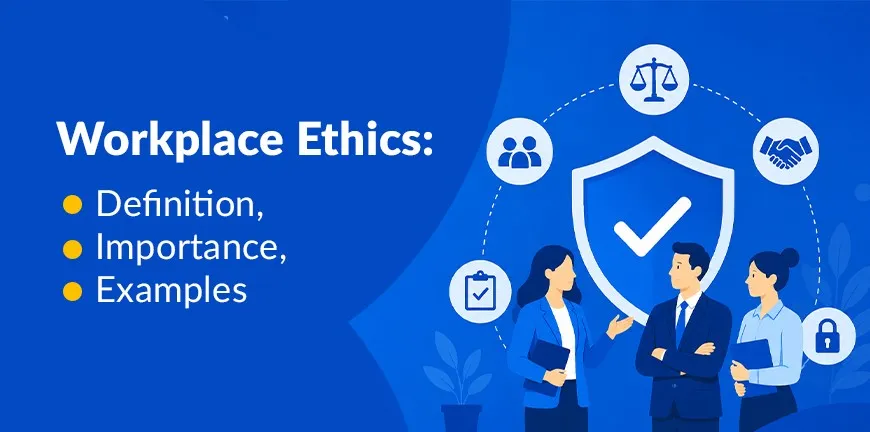
Companies value soft skills over technical proficiency more than ever. Soft skills give candidates a competitive advantage as they are valuable for leadership growth and organisational transformation. Since soft skills are difficult to assess, unlike hard skills, they can be your next strategic asset for organisations to lead the change.
Key Takeaways
- Effectively solve unethical reporting from employees and customers through strategic investigation methods.
- Set up a code of conduct and ensure it applies to all employees across departments.
- Discipline bad behaviour at workplaces through constructive feedback and resolutions.
- Foster these workplace ethics in every conversation and discussion from the leadership end.
What is Workplace Ethics?
Workplace ethics refers to a set of behavioural guidelines to maintain a positive workplace environment. It is an integral part of the organisational culture and is targeted to boost workforce performance and employee trust.
Workplace ethics are shaped by the beliefs, attitudes, & traditions to respect each other’s values and integrity. When workplace ethics are violated, they damage reputation and loyalty.
What are Some of the Ethical Workplace Examples?
Most organisations derive work ethics from secular values and traditions. By integrating the below-mentioned workplace ethics into the organisational framework, HR managers have visualised tangible outcomes from employee motivation, transparent administration, to workforce excellence.
- Trustworthy
- Accountability
- Responsibility
- Fairness
- Respect
- Social Camaraderie
- Open Communication
- Integrity
What is the Importance of Workplace Ethics to Businesses?
Building workplace ethics is critical for organisations as they drive employee morale, workplace collaboration, and employer branding. An organisation that acts ethically reflects shared workplace values and integrity. This can prevent it from reputational damage and cultural risks.
Let us understand the key tenets of why workplace ethics matters to businesses in 2026.
1. Leaving Assumptions to Chance
Most leaders assume that employees have good intentions and conduct themselves ethically in a workplace. But this assumption can be highly risky, as ethical standards are not taken seriously by every single employee.
2. Leaders Set Unrealistic Goals
Leaders setting unrealistic expectations can be counterproductive. This can further lead to anxiety and stress if you demand further perfection regularly. On the other hand, employees with strong work ethics work on multiple tasks and face burnout and stress.
3. Organisational Culture Matters
Leaders who avoid safe and open conversations with team members may face unnecessary retaliation. If important workflow decisions are not communicated, they may lose clarity and disrupt operational efficiency. This can lead to employee mistrust and build a toxic organisational culture.
4. Compliance Risks
Organisational reputation is key to building a resilient and productive workforce. If companies are found to have breached ethical laws or regulations, it can lead to severe penalties and reputational damage.
How can HR Leaders Implement Workplace Ethics Process?
HR leaders across companies grapple with implementing workplace ethics, but to ease that process, we have charted out a standardised approach.
Step 1
Foster a safe and open communication space to help employees voice their concerns.
Step 2
Implement an anonymous messaging or mailing system to enable employees to share their concerns discreetly regarding company policies.
Step 3
Commit to a decision-making process that delivers fair and balanced resolutions to complex ethical issues.
Step 4
Introduce ethical programs to educate and develop ethical decision-making skills.
Step 5
Build a structured process by appointing an ethical officer to advocate concerns.
What are the Benefits of Managing Ethics in the Workplace?
Maintaining positive workplace ethics among employees is key to organisational excellence and operational performance. Here are 5 key advantages businesses visualise of maintaining workplace ethics.
1. Retention is Tougher than Recruitment
If employees find an organisation practises ethical standards across departments, they feel motivated to work and stay longer. Employee trust & retention depend on the degree of ethical attitude expressed by the company, from the staff to the CEO.
2. Trust & Collaboration are Valuable
Employees trust leaders as they mentor, guide, and support their actions, whether to achieve organisational goals or personal career growth. Through open communication and collective decision-making, employees align with the leader both in actions and values.
3. Builds Loyal Business Partnerships
Most customers look forward to partnering with a business with corporate values. Organisations recognised as ethical places enable employees to stay with the company for a long time and customers to build sustainable business partnerships.
4. Avoids Legal Trouble
Building a code of conduct in workplaces is essential for HR leaders to avoid legal penalties and reputational risks. By following these guidelines, employees or employers will refrain from bribery, conflict of interest, illegal conduct, & harassments. By constantly communicating and integrating these practices in workflows and meetings, organisations can prevent financial and brand image losses.
How Does Poor Ethics Differ from Good Workplace Ethics?
The difference between poor and good workplace ethics goes beyond employee behaviour, as it impacts productivity, business reputation, & long-term business partnerships. Let’s find out the top differences.
| Dynamics | Poor Workplace Ethics | Good Workplace Ethics |
| Task Ownership | Employees or leaders refuse to own challenges or mistakes in the workflow processes. | People here acknowledge mistakes and proactively explore solutions to bridge the gaps in the workflow processes. |
| Dependence | People miss deadlines or constantly delay tasks that can disrupt operations and organisational success. | People constantly work toward goals and achieve targets on time. Leaders entrust them with major goal-oriented projects and involve them in critical decision-making. |
| Communication | Leaders, in this case, maintain secrecy and hidden communication strategies that can lower employee participation. | Building open conversations and sharing performance feedback constantly builds employee loyalty toward the brand. |
| Compliance Framework | Employers do not inform employees about the code of conduct, which can result in penalties and reputational damage. | Leaders who care about employer branding enforce ethical code across departments to avoid financial losses and brand damage. |
Final Thoughts
Creating boundaries for employees at the workplace helps the organisation keep leaders, employees, & stakeholders accountable for their actions and decisions. Maintaining a healthy ethical workplace code acts as a firewall for employees and stakeholders from falling prey to illegal dealings or behaviour. It helps organisations to build a positive reputation, retain a vibrant workforce, and build resilient business success.
Frequently Asked Questions (FAQs)
1. How can we build a positive work culture as our organisation grows?
Building a positive work culture depends on the degree of ethical maturity you create within an organisation. They are built on integrity, respect, loyalty, open communication, and participatory decision-making.
2. What steps can we take to improve employee engagement and morale?
Constant leadership conversations, proactively solutions to unethical issues, fostering respectful conduct in the workplace, & avoiding illegal actions can boost employee engagement at work place engagement & morale.
3. How can managers contribute to a stronger workplace culture?
Managers can create a stronger workplace culture by proactively resolving unethical practices among team members, disseminating the ethical code and reinforcing it during conversations.
4. How can we maintain a consistent culture across multiple teams and locations?
The only strategic way to maintain a consistent work culture is to enforce the ethical code of conduct across locations and appoint ethical officers to ensure it is adhered to.
5. What role does leadership play in shaping workplace culture?
Leaders set the tone for workplace culture by designing values, driving accountability, and building an environment of trust, inclusion and performance.
6. How can we identify and address toxic workplace behaviours?
Regular feedback, employee surveys, and reporting mechanisms help identify toxic workplace behaviours and enable timely action.
7. How can workplace culture improve productivity and collaboration?
A positive work culture fosters trust, communication and shared purpose. It empowers teams to collaborate effectively and perform.
8. What initiatives can help strengthen employee satisfaction and belonging?
Recognition and reward programs, learning & development activities, & employee well-being programs help strengthen employee satisfaction.
9. How can Alp help organisations improve employee engagement and workplace culture?
Alp Consulting helps organisations build employee engagement through employee-centric initiatives, programs, and data-driven workforce strategies.
Contact Us For Business Enquiry

Rajkumar Shanmugam
Rajkumar Shanmugam is the Head of HR at ALP Consulting, bringing over 19 years of comprehensive HR leadership experience across India and international markets. His expertise spans talent acquisition, employee relations, performance management, compliance, and HR transformation. Rajkumar has a proven track record of driving people-centric initiatives, enhancing workplace culture, and aligning HR strategy with business goals. With extensive experience in US staffing operations and global mobility, he continues to lead organizational excellence through innovation and employee engagement.