What Is a Contingent Workforce? Benefits & Strategies in 2026
17/04/2025
Understanding the Role of AI in Staffing – Benefits, Challenges, Best Practices
21/04/2025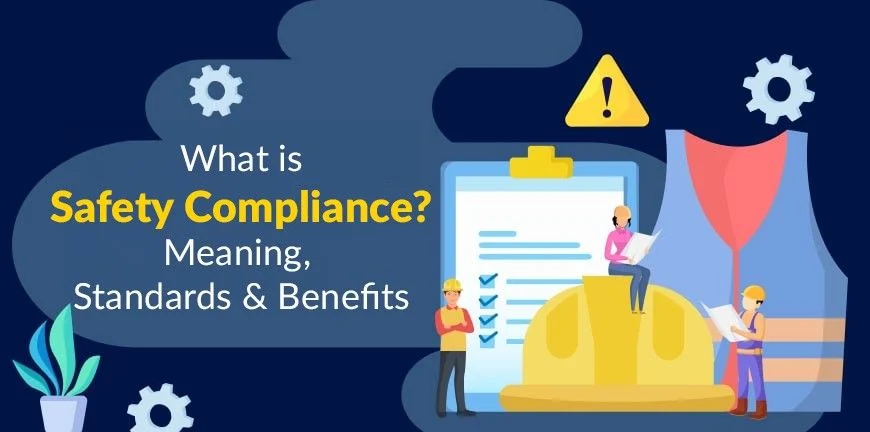
Employee safety & security are pivotal in a multi-diverse workforce country like India. The Workplace Safety and Health Standards (WSHS) have become a strategic part of HR teams in industries across all sectors. From regulating operational safety to preventing workplace harassment, policy and compliance management services can proactively keep your organisation free from reputational damage & financial loss.
Key Takeaways
- Access to India’s top Safety Compliance Experts.
- Managed Safety & Compliance in 800+ Industries pan India.
- Reduced 40% of Business Overhead Costs & Legal penalties.
- Improved Employee Safety & Workplace Engagement by 30%.
- 24/7 Consultation Services to Finance & Operational HR Heads on updated Compliance & Safety Laws & Regulations.
What is Safety Compliance?
Safety compliance is a set of laws, guidelines, & protocols designed to ensure employee safety & healthy work environment in companies. Safety compliance has become imperative for company leaders to fuel employee well-being and business productivity. HR managers staying updated on these laws & regulations, conducting regular risk assessments, & following safety protocols can avoid financial risks and reputational damage to the organisations. If the internal HR team is low on resource bandwidth, a compliance consulting firm is the best way forward.
What are the Key Safety Compliance Laws in India?
Regulatory bodies like the National Safety Council (NSC) and the Directorate General of Mines Safety (DGMS) in India play a vital role in designing & overseeing safety & compliance standards for industries & companies to ensure employees are protected from physical casualties and workplace harassment.
Among the key regulations, the Factories Act of 1948 is designed to protect workers’ safety across the state level through regulations, regular inspections, & addressing concerns with non-compliance.
On the other hand, the Occupational Safety, Health, & Working Conditions Code (OSH Code, 2020), which replaced the 13 labour laws, mandated companies to establish safety protocols to mitigate accidents & ensure workplace safety.
As the top policy and compliance management services, we stay updated on these laws and regulations.
How Safety Compliance Requirements Differ Across Industries
As the leading compliance management company, we support HR leaders with some key responsibilities while designing industry-specific safety compliance requirements.
1. Designing Health & Safety Practices
We help HR teams build comprehensive health & safety practices that align with the organisation’s commitment to protecting employee wellbeing, risk identification, incident reporting, & emergency procedures.
2. Conducting Risk Assessments
We help the HR managers or floor managers with an accurate assessment of the work environment, processes, & tasks to measure risk levels and implement appropriate mitigation strategies.
3. Training & Education
The workforce may not understand the policies or regulations 360 degrees. To ensure fairness and transparency in accessing information on job safety, we introduce training programs on compliance & safety management.
4. Promoting Safety Culture
One smart way we help HR teams promote safety culture is through strategic communication models. By communicating safety-first policies, recognising & rewarding safe behaviours, & sharing best practices on safety, HR managers can build a positive work culture.
5. Reporting
To ensure that HR teams stay up to date with the latest regulations & labour laws to avoid legal penalties and reputational risks, we generate reports, review policies, and update HR managers on new procedures that align with industry legislation.
What is a Safety Compliance Audit?
A safety compliance audit is a process of assessing the work environment, equipment, & processes. Conventionally, the audit is conducted by an external auditor or compliance advisory services who assess records, test the safety of the equipment, & evaluate employee behaviour. They generate a report and recommendations at the end of the audit to be implemented within a specified period.
What are the Key Safety Compliance Laws in India?
To ensure employee safety, a safe workplace infrastructure, employer accountability, & avoid risk of accidents/penalties, regulatory bodies in India have framed key safety compliance laws. Smart company leaders leverage policy management services to adhere to these laws to avoid legal penalties & reputational damage.
- Occupational Safety, Health and Working Conditions Code, 2020
- Shops and Establishments Act (State Level)
- Factories Act (1948)
- National Building Code of India and Fire Safety Rules
What are the Penalties for Safety Non-Compliance in India?
Failing to comply with workplace safety laws in India can lead to the following consequences. In such cases, policy and compliance consulting can help you surmount this challenge.
- Violation of safety norms can invite financial penalties.
- Injuries caused by unsafe workplace conditions can lead to compensation claims.
- Serious accidents or risks can lead to costly legal litigation.
- In grievous accidents or casualties, employers are subject to suspension until compliance is met.
What is the difference between Safety Compliance and Safety Management?
Knowing the differences between safety compliance & safety management helps us better help our clients to strategically choose our services.
| Point of Difference | Safety Compliance | Safety Management |
| Definition | Safety compliance refers to following external laws & regulations by government authorities | Safe management refers to identifying & controlling workplace risks & accidents proactively. |
| Approach | Organisations act to meet the minimum regulatory standards | Companies proactively prevent workplace hazards, accidents, & risks before they occur. |
| Scope | Compliance is limited to laws, audit, & standard. | Safety management is broad, covering policies, training, behavioural assessments, & leadership involvement. |
| Responsibility | These roles are handled by compliance or HR specialists exclusively. | This is a shared responsibility by employees, leaders, & supervisors. |
| Outcomes | Short-term and audit-driven | Long-term and continuous improvement |
What are the key Benefits of Safety Compliance?
Safety Compliance is not beneficial to employees, but also for the organisational resilience and growth. Some significant advantages companies gain through adopting corporate compliance management services are:
1. Avoid Workplace Risks
Following a safety compliance process effectively and regularly can reduce the risks of workplace accidents and injuries. By following the best safety practices and emergency protocols, companies can prevent incidents that can harm human lives, thereby creating a safe and secure working environment, reducing medical expenses, legal settlement costs, and operational disruptions.
2. Drive 100% Compliance
Meeting the safety legal compliance checklist requirements can help businesses achieve compliance with safety regulations and avoid hefty penalties and fines. Additionally, 100% safety compliance will ensure zero legal disputes, leading to reduced legal dispute management expenses.
3. Increase Employee Productivity
A safe working environment achieved through diligent adherence to safety compliance regulations can lead to improved employee productivity and morale. Employees who feel secure and valued tend to be more involved and efficient, leading to improvements in the overall performance of the company.
4. Improve Employer Branding
A company’s unwavering commitment towards safety compliance can lead to increased brand image and reputation. Businesses that prioritise employee safety tend to get more favours from clients and investors. This positive perception can lead to increased trust and loyalty, creating a competitive edge for companies in the marketplace.
5. Operational efficiency
Safety compliance can help improve operational efficiency by reducing workplace hazards that could disrupt business operations. A safe and secure working environment will ensure smooth operations, on-time delivery, and consistent service to clients, leading to business continuity.
What are the challenges in Safety Compliance?
The major challenges in safety compliance include:
1. Lack of employee participation
One of the significant challenges in safety compliance is the active participation of employees in safety initiatives and protocols. Without this safety compliance process will fail to create a safe working environment.
2. Staying up to date with safety compliance regulations
It is a significant hurdle for most companies since safety regulations are complex and subject to frequent changes and amendments.
3. Managing training needs
Offering safety compliance training for all employees within an organisation can be challenging logistically, especially for big companies with numerous branches spread across states and countries.
4. Meeting Productivity Demands
Most companies struggle to balance safety compliance while trying to meet production targets and delivery timelines.
5. Identifying Risks
Many organisations fail to fix systemic issues and just conduct surface-level investigations to develop temporary fixes.
Are You Looking for a Safety Compliance Partner?
Alp Consulting Ltd, India’s leading recruitment firm, gives you the ability to hire better and faster. Alp’s suite of automated recruitment solutions is designed to tap top talent. Our end-to-end governance and compliance management services will help you achieve a high-quality payroll process & risk-free compliance management to help build a diverse workforce of tomorrow. Alp has processed payroll for over 750+ industries, and analysing these data helps us deliver actionable insights to zero in on candidates who meet your business needs and growth.
What is the Future of Safety Compliance in 2026?
As the best policy and compliance consulting firm, we support diverse industries from manufacturing, retail, healthcare, SaaS, IT/ITes, education, and E-commerce. To serve the diverse needs of these industries, we follow key trends to help better serve our clients.
- Smart PPE is upending the safety compliance landscape by integrating sensors, connectivity, & providing real-time data analysis.
- Wearable safety technology helps employers monitor & manage workplace safety.
- Automation & AI predict risks, incident reporting, & trigger automatic responses.
Frequently Asked Questions (FAQs)
1. What is Safety Compliance?
The safety compliance definition states that ” companies whether a startup or a Fortune 500 must adhere to the safety regulations and laws imposed by government agencies to create a safe and secure working environment for employees and visitors.”
2. What are the key components of safety compliance?
The key components of safety compliance include a safety legal compliance checklist, establishing detailed safety compliance policies and procedures, creating awareness and providing practical training, conducting regular internal and external safety compliance audits, and developing a safety culture.
3. What Is a Safety Compliance Audit?
A safety compliance audit is a process of assessing and verifying a company’s safety policies and procedures against standard regulations and laws imposed by government agencies. A safety compliance audit can be conducted internally or externally based on compliance purposes and requirements.
4. What Is a Safety Legal Compliance Checklist?
A safety legal compliance checklist is a systematic tool for verifying and validating a company’s safety compliance policies and procedures against legal laws and regulations. It helps in identifying and mitigating non-compliance areas and document the findings required to make improvements for better safety compliance.
5. How Often Should a Company Conduct a Safety Compliance Audit?
A company should perform a safety compliance audit at least once a year as per the legal mandate. But for better outcomes in terms of improving safety compliance protocols and boosting workplace safety further, an internal safety audit must be conducted every quarter or half yearly.
6. What Are the Penalties for Non-Compliance with Safety Regulations?
The penalties for non-compliance with safety regulations may include legal cases, hefty fines, increased insurance premiums, reputational damage, business license revoking, etc.
7. What Are the Latest Trends in Safety Compliance?
The latest trends in safety compliance include AI for predictive safety, emphasis on mental health improvement in the workplace, use of wearable technology for monitoring health in real-time, AR & VR for immersive safety training, and sustainability-driven safety compliance.
Contact Us For Business Enquiry

Hariharan Iyer
Hariharan Iyer is the Vice President – Operations at ALP Consulting, bringing over 40+ years of experience in HR outsourcing and labour law compliance. He leads end-to-end HRO operations, ensuring process efficiency, statutory compliance, and seamless service delivery for clients across industries. With a strong background in labour law governance and workforce management, Hariharan plays a key role in driving operational excellence and compliance-led HR solutions at ALP Consulting.