
How to Recruit Blue Collar Workers: Best Hiring Strategies
07/04/2025
Types & Stages of the Interview Process – Explained
08/04/2025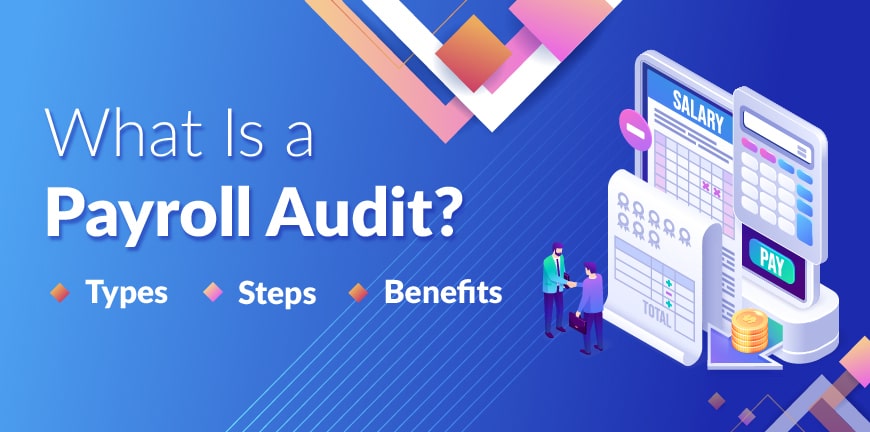
Maintaining accurate payroll records is critical for every organisation as it can affect their compliance requirements and cause legal hassles. The best way to ensure accuracy and compliance with an organisation’s payroll management system is to conduct an effective payroll audit that will help identify errors in payroll processes and find mitigating strategies that help companies stay compliant with laws and regulations and create trust among the employees.
Let’s dig deep and understand payroll audit meaning, benefits, types, objectives, procedures, and all other critical aspects necessary for conducting a successful payroll audit.
What is a Payroll Audit? Meaning & Definition
A payroll audit meaning is straightforward, and it states “a comprehensive review of a company’s pay processes, data, documents, and systems, and verifying it against compliance standards set by government agencies.
The auditing of payroll includes verifying the accuracy of salary credited to the employees, validating tax and other deductions, employee attendance, compliance with labour regulations and laws, identifying payroll discrepancies, mitigating potential risks, creating a final audit report, and providing recommendations to improve payroll processes.
Payroll audits can be done internally or can be outsourced to a top payroll audit agency like ALP Consulting for the best outcomes. The importance of payroll audit is significant as any noncompliance can lead to penalties or legal troubles, which can outweigh the costs of conducting an audit and damage the brand reputation of the company.
Payroll audit procedures can be completed within minutes or may take a few weeks based on the size of the organisation and the expertise of the audit team.
What are the Benefits of conducting a payroll audit?
The payroll cycle audit process is critical for ensuring a company’s payroll system complies with labour laws and regulations. The major benefits of payroll audit include:
1. Ensures Legal Compliance
A timely HR and Payroll audit will ensure the company is compliant with statutory obligations stated in the Indian labour laws and regulations. The audit will verify if deductions and taxes such as PF, ESI, and TDS are done correctly and on time without delays. Any deviation can lead to penalties and legal cases, creating monetary losses and damaging the brand reputation of the organisation.

2. Identifies and prevents payroll errors
Some of the common mistakes that can occur in payroll include missing salary components, miscalculations, incorrect TDS, duplicate payments, etc. These issues can pile up over time, creating financial complications and attracting penalties from concerned government bodies.
A thorough payroll internal audit from time to time will ensure discrepancies are identified early and mitigation steps are taken immediately. This step will ensure payroll processes are error-free and compliant.
3. Fraud and Unethical practices are identified
The internal payroll audit process will help an organisation identify fraud and unethical practices, which can dent the reputation of the company and also cause financial losses. Some of the fraud and unethical practices that a payroll audit can identify include unauthorised access, irregular salary hikes, suspicious bank transactions, and falsified timesheets.
4. Facilitates Better Financial Planning and Budgeting
Payroll audits will help organisations identify unnecessary costs and wasted resources that can be eliminated, leading to better financial planning and budgeting.
5. Improves Employee Satisfaction & Trust
Payroll audits will ensure late payments, missing reimbursements, and wrong deductions related to an employee’s salary are identified and fixed early. An error-free payroll system will improve employee satisfaction and trust in the company, leading to more productivity and higher employee retention rates.
Why is Payroll Audit Important for Businesses?
Payroll audit steps are not just about meeting compliance as a bare minimum requirement, but also about improving existing payroll processes and procedures.
A well-executed payroll audit can unlock new growth opportunities by identifying & mitigating potential risks. This leads to better employee satisfaction and enhanced brand reputation.
Here are 5 reasons that make payroll audit worth its weight in gold:

1. Identification of Errors Beforehand
Even though most companies’ startups or market leaders are using sophisticated automated payroll systems, manual intervention is inevitable. Despite high adoption of HR tech, manual intervention still results in a nearly 20% error rate in payroll transactions.
Payroll errors such as wrong data entry, missing information, inclusion of already terminated employees, wrong tax deductions, etc., can create havoc in payroll management, leading to compliance issues and financial complications.
By performing the audits through a well-designed payroll audit checklist, most errors can be identified and mitigated before they escalate into serious issues.
2. Achieving Legal Compliance
With the full rollout of updated labour codes and tax regulations in November 2025, India’s compliance landscape continues to undergo metamorphosis in an accelerated manner. During an audit, internal teams or external auditors use a 360-degree covered payroll audit checklist India aligned with the latest legal provisions.
Any hiccups or non-compliance issues observed are isolated & addressed immediately via corrective & mitigation measures. This proactive approach powers organizations to maintain 100% compliance with the latest labour laws while bringing down risks of penalties, legal ramifications, & regulatory scrutiny.
3. Detecting Fraud and Unethical Practices
Payroll fraud can seriously damage a company’s brand image and cause financial complications. Detected payroll fraud cases cost businesses an average of Rs. 2.1 lakh per month for as long as they go undiscovered. A periodic payroll audit will help in detecting unauthorised transactions, ghost employees, unethical practices, fabricated working hours, and other payroll mishaps.
By implementing a payroll audit checklist, these issues can be identified and documented so that mitigating & preventive steps can be taken to prevent payroll fraud instances.
4. Employee Trust and Morale

Employee satisfaction is a crucial aspect that every company must accomplish for continued growth, both financially and as a brand. Every employee expects timely payment and accurate payroll records for filing tax returns.
If any delays or mistakes are experienced, employees will get frustrated, leading to dissatisfaction, mistrust, reduced productivity, and, in extreme cases, resignation from the job. Nearly 24% employees seek new jobs after one payroll error, rising to 49% after a second mistake, showing payroll accuracy directly impacts retention.
Therefore, a timely payroll audit will help companies avoid these mistakes and ensure a seamless payroll process can be deployed so that employees feel secure and continue to contribute towards the company’s growth.
5. Financial Reporting Integrity
Accurate payroll data is essential for companies to prepare annual financial reports. Around 64% of C-suite leaders identify fragmented payroll data as a major risk factor.
This report will be reviewed by internal stakeholders, investors, and compliance agencies, and any error due to incorrect payroll data can lead to serious consequences that can be detrimental to a company’s future, both in terms of reputation and further investment.
Therefore, internal and external payroll audits are periodically critical to ensure payroll data is accurate and compliant.
What are Payroll Audit Procedures?
Payroll audit procedures may vary depending on the type of organisation, size, internal or external audit, and other parameters. Typically, a payroll audit includes the following steps:
- Decide on the payroll audit timeframe, whether to be done annually, quarterly, monthly, or per pay period.
- Conduct a thorough analysis of active employee data and verify whether the salary credit is according to the offer and appraisal letter.
- Cross-check the employee working hours, attendance, pay rates, and earnings, and ensure there is no mismatch. If any discrepancies are found, immediately flag and document them.
- Verify the accuracy of the variable payments, such as overtime pay, bonuses, shift allowances, reimbursements, commission, etc.
- Evaluate taxes and other deductions and ensure they are according to labour laws and regulations.
- Compare payroll records with bank transaction documents and ensure direct payment records are documented in the final audit report.
- Ensure payroll procedures and documentation are compliant with labour laws, and if any gaps are found, document them.
- Create a detailed final audit report with all the findings and suggest recommendations for payroll process improvements.
- Discuss the report with the HR, management, and stakeholders and help them understand the current status and provide risk-mitigating solutions.
What is a Payroll Audit Checklist?
A payroll audit checklist is an efficient tool that helps auditors verify the data collected from payroll audits against standard regulations. This checklist will act as a guide to verify the efficiency, compliance, and accuracy of the payroll processes and documentation followed by the organisation. An example of a checklist for the audit of payroll is provided below.

Payroll Audit Checklist
1. Employee data review
- Ensure payroll data matches the offer and appraisal letter received by the employee.
- Confirm if employees receiving a salary are under active employment status; otherwise, flag it.
- Verify employee categories like full-time, part-time, exempted, and non-exempted.
2. Review paid working hours.
- Verify working hours against attendance sheets
- Check if gaps are there between scheduled and reported hours.
3. Check variable payments
- Confirm compliance with minimum wage laws
- Check overtime pay, commissions, shift allowances, bonuses, and other additional pay information.
4. Examine and document unusual payroll transactions.
- Review payroll advances or loans and verify against repayment terms
- Look for unusual payments and document them.
5. Check Tax withholdings
- Ensure withholding amounts are correct
- Confirm if the tax paid is according to the latest slabs
- Verify compliance
6. Create a detailed audit report
- Create a detailed payroll audit report consisting of the findings and recommendations.
- Share the audit report with HR and internal stakeholders.
7. Identify improvement areas and provide an action plan
- Pinpoint non-compliance areas and provide an action plan to mitigate them
- Give payroll process improvement strategies and set a deadline for implementation
- Do a follow-up and ensure the improvement plan is executed as per recommendations.

What are the Types of Payroll Audits?
Typically, there are two types of payroll audit: a payroll internal audit and a payroll external audit. Both serve different purposes, even though the procedures performed are almost the same.
1. Internal Payroll Audit
The organisations create an internal team consisting of experts in payroll management and HR. This type of audit is only done to check how the current payroll processes are performing and how they can be improved for better compliance.
2. External Payroll Audit
Here, a company will hire an external payroll outsourcing agency such as Alp Consulting to conduct third-party payroll assessments. An external audit team will look at the payroll processes from a fresh perspective and can identify errors that might be overlooked by the internal team. This move will give a better picture of the accuracy and compliance of existing payroll procedures and identify fraud and unethical practices.
What are the Main Payroll Audit Objectives?
A payroll audit is a crucial process in every organisation as it can help companies mitigate discrepancies in the payroll processes and help in achieving compliance with labour and tax laws. The major payroll audit objectives include:
1. Compliance with labour and tax laws
Regular payroll audits will help businesses identify gaps in the payroll processes and documentation. By fixing these gaps, companies will be able to achieve 100% compliance with labour and tax laws and avoid legal cases and penalties for non-compliance.
2. Accurate payment and tax reporting
Tax authorities are always on the lookout to find flaws in tax payments and impose fines. An accurate payroll audit will ensure organisations meet these requirements and prevent penalties and fines.
3. Uncover fraud and errors on time
Even with automated payroll, some manual tasks will always be necessary, which can create errors, and they can pile up over time. A payroll audit will help in finding these errors and fixing them on an immediate basis. The audit will also uncover fraud like unauthorised payments and fraudulent transactions, which can ruin a company’s credibility and also create financial complications.
4. Provide accurate payroll data to employees
One of the reasons for conducting a payroll audit is to show transparency to employees on how the payroll processes are compliant with labour laws and regulations. A successful payroll audit will provide accurate salary data to employees, which they can use to file their tax returns and other related processes.
What are the Common Payroll Issues?
Although most companies have deployed an automatic payroll system, human intervention is inevitable, leading to errors that create financial complications and compliance issues for the organisation. Some of the common payroll issues include:

- Missing employee information
- Incorrect overtime calculation
- Payment delays
- Taxation errors
- Failure to document changes in the employee’s circumstances
- Communication gap between the payroll team and employees
- Lack of periodic payroll process audit
- Lack of training in payroll management
How to Conduct an Effective Payroll Audit?
The success of a payroll audit depends on several factors, such as the organisation’s payroll processes and documentation quality, the expertise of the audit team, technologies utilised to conduct the audit, and the company’s commitment towards compliance and creating a hassle-free payroll management system. The best practices to audit payroll include:
- Create a regular audit schedule, monthly or quarterly, for the best outcomes.
- Implement payroll management software and reduce human intervention as much as possible.
- Invest in developing an expert audit team that can help in achieving 100% compliance.
- Utilize external expertise, such as hiring an expert payroll audit agency like ALP Consulting.
- Create audit trails
- Standardize payroll audit review procedures
- Protect sensitive and confidential information.
Contact Us For Business Enquiry
Frequently Asked Questions
1. What is involved in a payroll audit?
A payroll audit is a compliance mechanism where an internal or external audit team will verify the accuracy of a company’s payroll management practices and check if they are complying with the labour and tax laws of India.
2. What happens if you fail a payroll audit?
If you fail a payroll cycle audit, then you are inviting legal trouble and penalties for non-compliance. If you hire an expert audit agency like ALP Consulting, then they can help with finding discrepancies in payroll and management, and help in creating successful mitigation strategies.
3. What are the 3 main types of payroll audits?
The 3 main types of payroll audits include a payroll internal audit carried out by an in-house team of an organisation, an external payroll audit performed by a third-party agency, and a government agency audit carried out by a government-appointed payroll audit team.
4. Why should businesses audit their payroll regularly?
Businesses must conduct a payroll audit frequently to ensure accuracy and compliance are maintained to avoid legal issues and penalties for non-compliance. A payroll audit will also help in finding errors, fraud, and improvement areas that can help in making payroll management better and error-free.
5. How often should payroll be audited?
A payroll audit must be conducted at least once a year to verify the accuracy and compliance of the payroll management system. A quarterly and half-yearly internal payroll audit will help a great deal in fixing errors and achieving 100% compliance.
6. How to prepare for a successful payroll audit?
To prepare for a successful payroll audit, an organisation must organise and maintain accurate payroll records, verify accuracy and compliance with laws and regulations, carry out frequent payroll audits, and involve stakeholders for transparency.
7. What is included in a payroll audit checklist?
A payroll audit checklist in India includes employee data, salary calculations, tax deductions, compliance checks, attendance records, & payroll reconciliation activities.
8. What are some common payroll audit mistakes?
Common payroll audit mistakes include ignoring compliance updates, incorrect tax calculations, incomplete employee data, poor documentation, & a lack of regular audits.
9. Why is payroll audit important for businesses?
Payroll audits ensure compliance, prevent errors, detect fraud, improve accuracy, &enhance employee trust and satisfaction.
10. How do you conduct a payroll audit?
Payroll audit steps include defining the scope, collecting payroll data, verifying records, checking compliance, reconciling accounts, identifying discrepancies, and implementing corrective actions.

Yugandhara V. M
Yugandhara V. M serves as the Assistant Vice President – HRO at Alp Consulting Ltd., bringing over 14 years of rich experience in Human Resource Outsourcing, payroll management, and statutory compliance. He specializes in driving process excellence across HR operations, ensuring seamless service delivery and compliance with labor laws. Yugandhara’s expertise lies in managing large-scale client engagements, optimizing HR processes, and implementing efficient workforce management systems that enhance organizational performance. He also leads comprehensive payroll services, ensuring accuracy, timeliness, and compliance for diverse client portfolios.